


Opioids

Through the use of medications for addiction treatment (MAT), an individual’s substance use, withdrawal symptoms, and the physiological and psychological cravings can be controlled, enabling the person to begin treatment while in a correctional facility and be released as a person in, or on his or her way to, recovery. Research shows that that the use of MAT for Opioid Use Disorder in correctional settings is a cost-effective and life-saving intervention....


In this document, the Legislative Analysis and Public Policy Association examines state-level legislative and administrative responses to the public health risk posed by expired and unused prescription medications. In the last several years, states, in coordination with the Federal Drug Enforcement Administration (DEA) have enacted legislation or promulgated administrative regulations to authorize drug take-back programs where expired or unused pharmaceuticals can be collected from the public by authorized persons and disposed of in a safe manner. Findings are presented by state for ease of comparison....

In this survey, the Legislative Analysis and Public Policy Association (LAPPA) examines the policy response at the state level to the spread of pill presses used to create counterfeit drugs. There is relatively little policy in this area compared to federal law, and most innovation is relatively recent.  Findings are presented jurisdiction by jurisdiction for easy comparison among states and between current state- and federal law....

Research indicates that there is often a reluctance among those witnessing an overdose to summon emergency assistance from law enforcement or other first responders out of fear of arrest for drug possession or other charges. In an effort to reduce this fear and to encourage overdose witnesses to seek help, state policymakers developed Good Samaritan laws specific to drug overdoses. The purpose of these laws is to prioritize the overdose victim’s safety over arresting drug users by granting limited protection from criminal liability to persons seeking medical assistance and, in most cases, to the overdose victim. This document (1) provides a singular resource for each jurisdiction's laws; (2) allows for a comparison of these laws between jurisdictions; and (3) identifies and highlights interesting provisions. ...

Beginning in 2020, the Legislative Analysis and Public Policy Association (LAPPA) undertook an ongoing research project to identify both currently-in-force statutes and recently proposed legislation related to overdose fatality review (OFR), throughout all 50 states, the District of Columbia, and U.S. territories, titled “Overdose Fatality Review Boards: State Laws” (previously updated February 2021). This document represents the latest iteration of that project, with information updated through December 2023. As of that date, 18 states have laws authorizing the establishment of state-level and/or locality-level OFRs....

The Office of National Drug Control Policy (ONDCP) is an agency of the Executive Office of the President and is charged with leading and coordinating “the nation’s drug policy so that it improves the health and lives of the American people." This document provides statutory, regulatory. and legislative information about the nineteen states that have followed ONDCP’s example and created either a state-level office of drug control policy or an advisory commission separate from the state agency charged with oversight of controlled substances that is dedicated to addressing alcohol and drug abuse issues in the state....

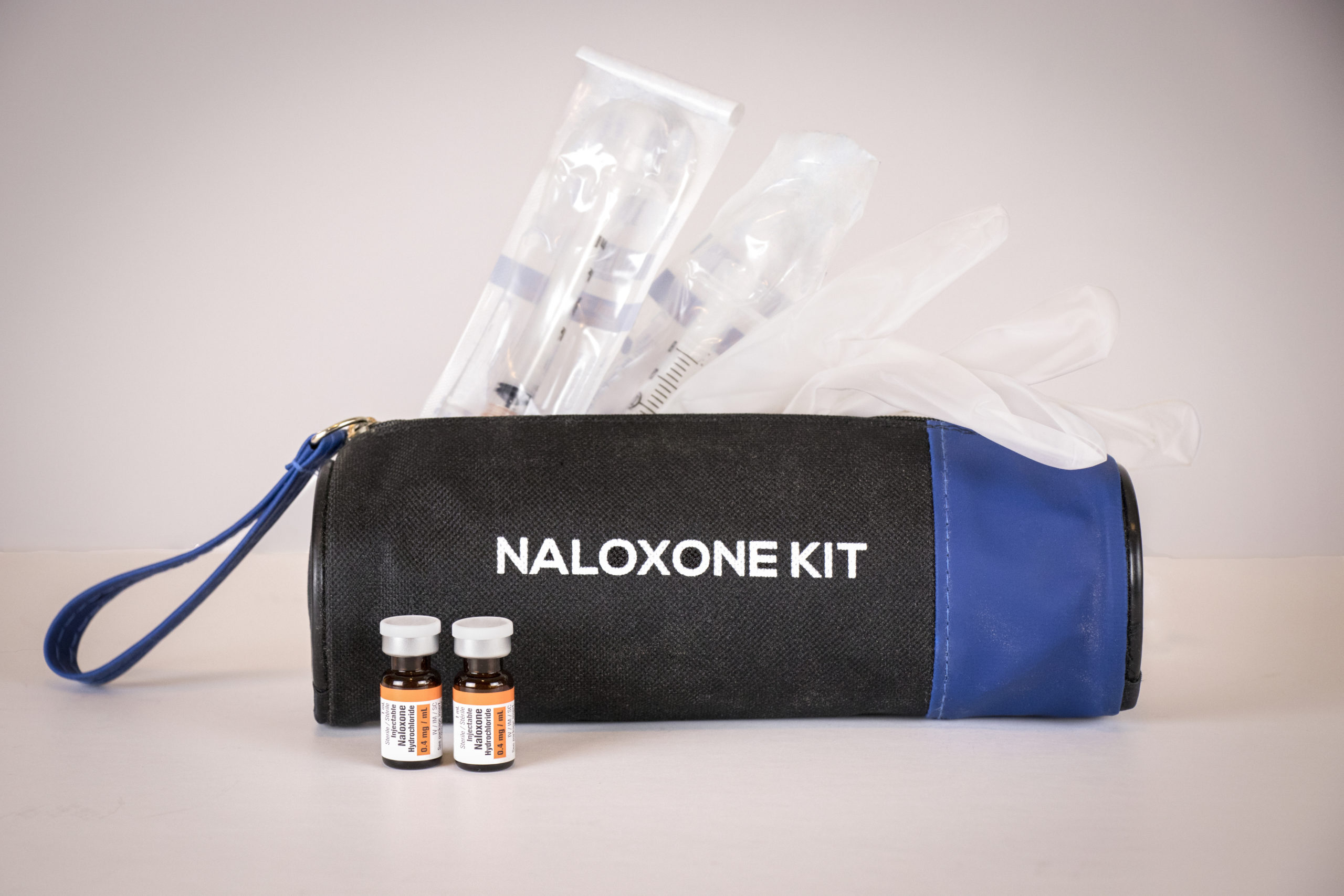
In an effort to save lives, states have implemented laws to make it easier for first responders and the general public to obtain overdose reversal agents, such as naloxone. Additionally, to encourage people to assist an individual who is or may be suffering an overdose, the majority of states also enacted laws which protect laypeople who administer overdose reversal agents, in good faith, in an emergency from civil and/or criminal liability. The Legislative Analysis and Public Policy Association (LAPPA) undertook an extensive research project to determine the current status of overdose reversal agent access laws throughout the United States, including the District of Columbia and all U.S. territories. As of January 2025, all 50 states and the District of Columbia have some form of an overdose reversal agent access law....

The Heller School for Social Policy and Management at Brandeis University and the Legislative Analysis and Public Policy Association, together published a report that includes a comprehensive review of the laws and regulations that apply to methadone for opioid use disorder (OUD) to determine which laws and regulations would need to be amended in order to support pharmacy-based methadone treatment for OUD. This analysis (1) includes a discussion of the agencies involved in governing methadone for OUD treatment; (2) explains the provision in federal Controlled Substances Act that creates the regulatory scheme for methadone treatment; (3) describes DEA regulations governing Narcotic Treatment Programs; and (4) summarizes the general types of state laws and regulations that place additional restrictions on methadone for OUD treatment....

“Tusi” is the name given to a new synthetic drug combination that first emerged in the 2010s in Latin America and Europe and is becoming increasingly popular in the United States. The name is a play on “2C,” a group of psychedelic drugs common among clubgoers, which tusi is rarely found to contain. Also called “pink cocaine,” though it usually does not contain cocaine, it is a powder that is dyed with pink food coloring that smells of strawberries. It is typically snorted, pressed into pill form, or mixed with water (called “happy water”). Because tusi is new on the drug scene, not much is currently known about the effects of the drug on those who use it. People who use drugs should be aware of the dangers of using tusi due to confusion regarding the names by which it is known as well as the different drugs used to make it and should use harm reduction practices to prevent adverse effects from its use....

Methadone is one of the three medications approved by the U.S. Food and Drug Administration used for the treatment of opioid use disorder (OUD). Evidence shows that for patients who suffer a nonfatal overdose, subsequent methadone treatment reduces the likelihood of a future fatal opioid overdose by over 50 percent. In 2024, the Substance Abuse and Mental Health Services Administration (SAMHSA) issued the first substantive changes to its federal methadone regulations in over 20 years. This final rule updated and modified several aspects of existing regulations with the goal of expanding the use of methadone for OUD treatment. As part of the revisions, SAMHSA clarified that a hospital, long-term care entity, or correctional facility, if appropriately registered with the Drug Enforcement Administration, can provide and initiate methadone as a treatment for OUD to those with a primary diagnosis other than substance withdrawal or OUD. In this fact sheet the Legislative Analysis and Public Policy Association details changes to the definition of "primary diagnosis" other than OUD regulation. The fact sheet also covers the federal regulatory scheme for methadone to treat OUD and explains what led SAMHSA to revise its regulations. ...