

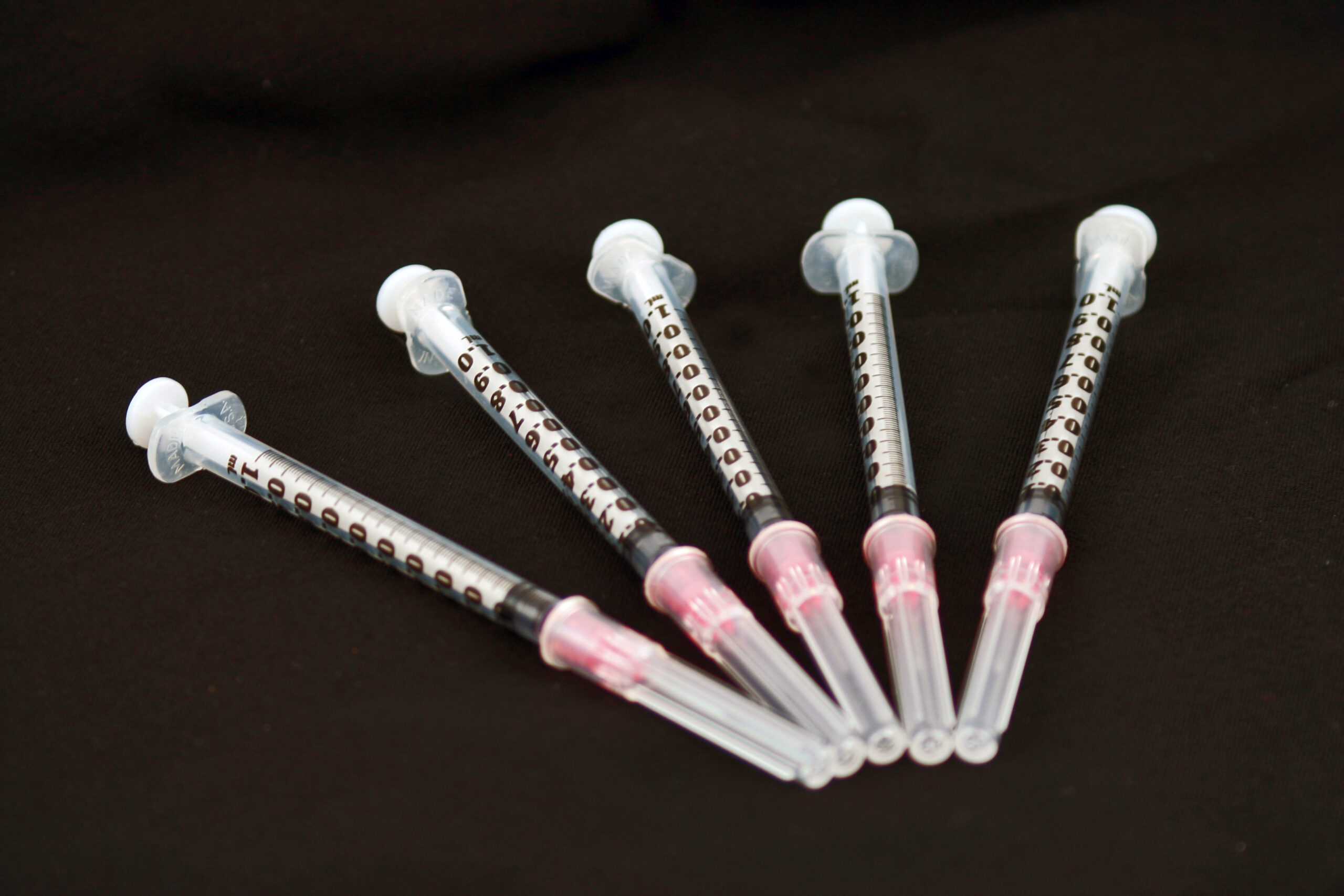
Sharps/Syringes

Given the increased emphasis in recent years on using harm reduction strategies to slow the overdose crisis, the hurdle posed by state drug paraphernalia laws to freely allowing drug checking services or establishing syringe services programs is not inconspicuous. Accordingly, in 2022, LAPPA first undertook an extensive research project to determine how drug paraphernalia laws throughout the 50 states, District of Columbia, and all U.S. territories treat drug checking equipment (including fentanyl test strips and other items) and needles/syringes. This January 2024 version, which sets forth a summary of state and territory laws as of December 2023, is an update to the original report. ...

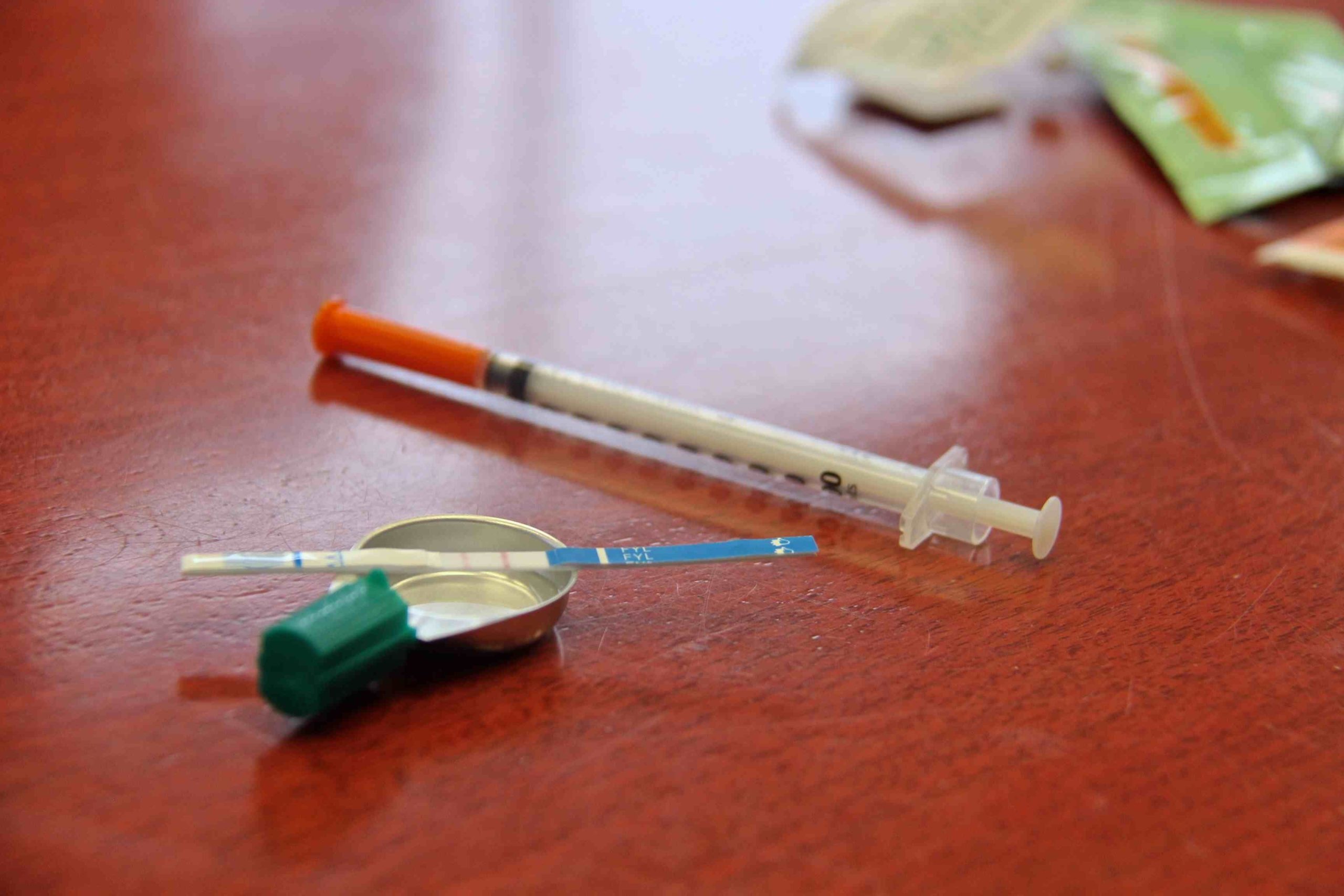
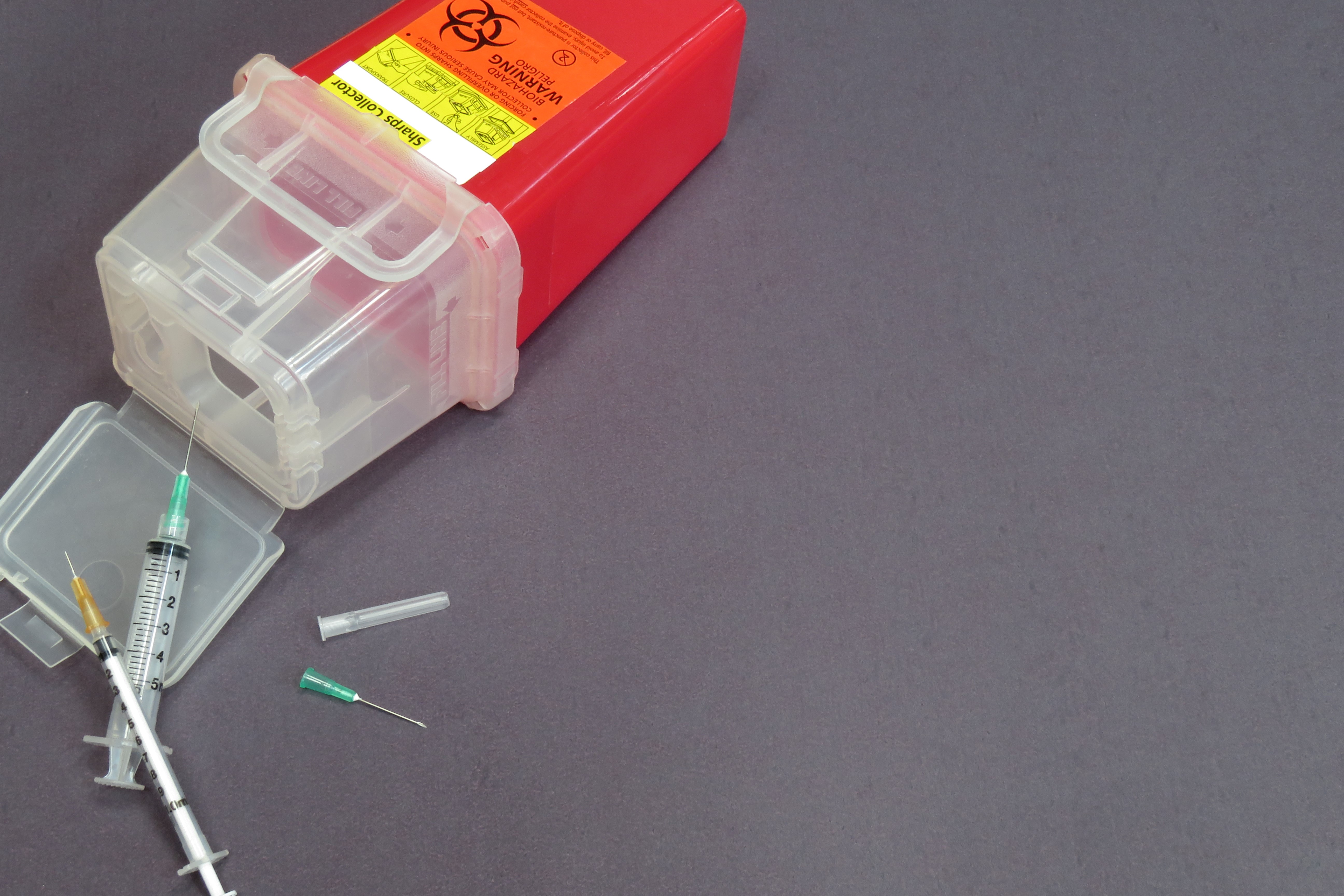
Syringe services programs (SSP) are harm reduction programs that provide a wide range of services including, but not typically limited to, the provision of new, unused hypodermic needles and syringes and other injection drug use supplies, such as cookers, tourniquets, alcohol wipes, and sharps waste disposal containers, to people who inject drugs. In this summary, readers will find information with respect to SSPs for each state, including citations to applicable statutes and/or regulations, whether the state allows SSPs by statute, whether there are any municipal or county ordinances or regulations in place within the state, program components, miscellaneous provisions, and information on any pending legislation....

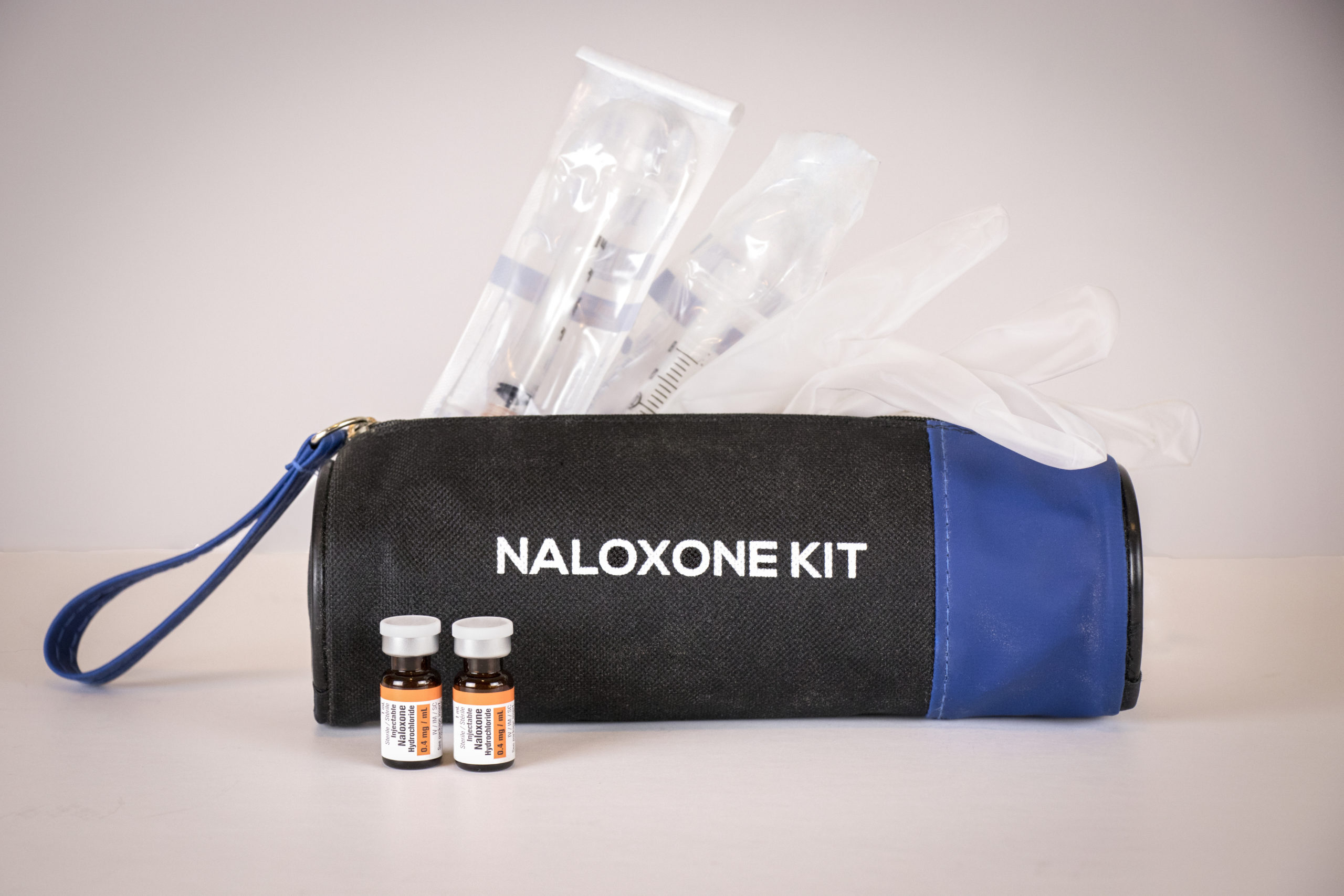
Naloxone is an emergency opioid antagonist that works by reversing the effects of an opioid overdose. Specifically, naloxone prevents decreased breathing which typically happens when someone overdoses on an opioid and must be given when someone shows the first sign of an overdose. Naloxone access laws delineate how someone may legally access naloxone in a particular state or jurisdiction. This includes which individuals can prescribe, dispense, or administer naloxone and what forms of civil or criminal immunity are provided, if any, for the use of the opioid reversal drug. All 50 states and the District of Columbia have some form of naloxone access law. This fact sheet provides readers with an overview of what naloxone is and a brief overview of naloxone access law across the United States....

Syringe Services Programs (SSPs) are harm reduction programs that provide a wide range of services including, but not typically limited to, the provision of new, unused hypodermic needles and syringes and other injection drug use supplies, such as cookers, tourniquets, alcohol wipes, and sharps waste disposal containers, to people who inject drugs. SSPs, initially limited to the exchange of hypodermic needles and syringes and often still called needle or syringe exchange programs, have been present in the United States in some form since the early 1980s. Often illegal due to drug paraphernalia laws – an issue that still exists today – only seven U.S. cities had programs by the end of 1991.  According to the Centers for Disease Control and Prevention (CDC), in November 2007, there were 185 SSPs in 36 states, the District of Columbia, and Puerto Rico. As of February 2022, that number has increased to 414 operational SSPs in all 50 states, the District of Columbia, and Puerto Rico, although only 38 states, the District of Columbia, and Puerto Rico either explicitly or implicitly authorize SSPs through statute or regulation. This fact sheet provides readers with an overview of SSPs, including the components that make up a...

The Model Syringe Services Program Act authorizes the establishment of comprehensive syringe services programs, which are associated with a decrease in bloodborne infectious disease diagnoses as well as the number of needlestick injuries to first responders and others. This Act delineates the required components for syringe services programs operating within a state, including that such programs: (1) directly provide, or offer referrals to, expanded services, such as substance use disorder treatment, including medications for addiction treatment, HIV and viral hepatitis testing and treatment services, access to opioid antagonist kits, health care services, and mental health services; (2) reduce needlestick injuries to law enforcement, emergency services personnel, sanitation workers, and members of the community; (3) provide data collection and reporting requirements for syringe services programs; (4) provide immunity from criminal arrest, charge, and prosecution for the possession, distribution, or furnishing of hypodermic needles and syringes and other supplies; (5) provide educational and training materials for members of the community, including law enforcement and other first responders, such as emergency medical services; and (6) provide for funding of syringe services programs....