


Author: lappaadm

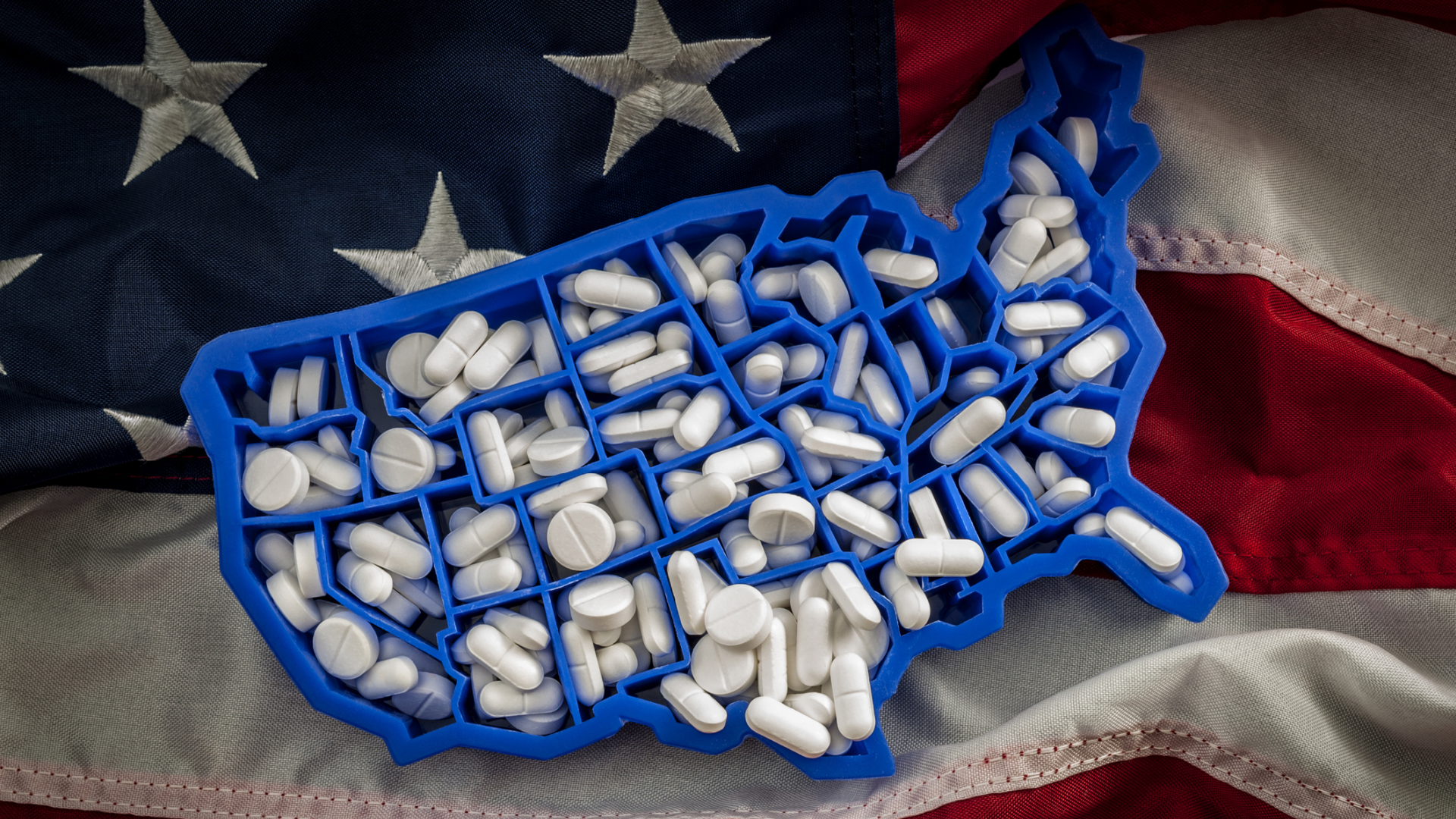
Since the late 1990s, the United States has outpaced every other country in per capita opioid consumption. Most research suggests that high levels of prescription opioid consumption in the United States have contributed to the current epidemic of opioid misuse and overdose deaths; a review of the scientific literature through February 2020 on international opioid consumption and prescribing practices points to several possible underlying reasons explaining the difference in opioid consumption per capita in the United States....

The Model Law Enforcement Event Deconfliction Act is intended to implement procedures across the country to safeguard law enforcement from incidents of “friendly fire.” The Act requires that law enforcement personnel utilize event deconfliction software, which will notify them of any potential conflicts with other law enforcement activity in the same area, including service of arrest or search warrants, surveillance operations, or other high-risk or specialized law enforcement activities. The Act further requires that law enforcement personnel take positive action upon being notified by the event deconfliction system of a conflict and provides penalties for failure to take such action. The Act was drafted with the invaluable assistance of members of the law enforcement community....

Each issue of Case Law Monitor highlights unique cases from around the United States in the areas of public health and safety, substance use disorder, and the criminal justice system. Every other month, LAPPA updates readers on cases that are important to the field....

Smaller than a pencil, and using the same technology as an at-home pregnancy test, fentanyl test strips are disposable, single-use tests that can detect the presence of fentanyl or fentanyl analogs in a substance. This fact sheet sets forth how fentanyl test strips work as a drug checking tool, how they can mitigate risks to people with substance use disorder, and the current challenges with their legality....

Each issue of News Bites highlights unique news articles from around the United States in the areas of public health and safety, substance use disorder, and the criminal justice system. Every other month, LAPPA updates readers on news they may have missed....

Project for Pride in Living (PPL) was founded in 1972 by Joe Selvaggio to create affordable housing for those in need. It began by renovating houses and now builds affordable housing for qualified individuals in the Twin Cities (Minneapolis and St. Paul) area of Minnesota. Additionally, since its inception, PPL has offered employment training to the services it offers. ...

In recent years, some states have enacted Good Samaritan and Naloxone Access laws to help reduce overdose deaths and respond to opioid overdoses.The Comprehensive Addiction and Recovery Act of 2016 included a provision for GAO to review these laws. This report addresses the following: (1) the efforts ONDCP has taken to collect and disseminate information on Good Samaritan and Naloxone Access laws, (2) the extent to which states, territories, and D.C. have these laws and the characteristics of them, and (3) what research indicates concerning the effects of Good Samaritan laws.To answer these questions, GAO collected and reviewed ONDCP documents and interviewed agency officials. GAO also reviewed and analyzed selected characteristics of jurisdictions' Good Samaritan and Naloxone Access laws. Further, GAO conducted a literature review of empirical studies published from 2010 through May 2020 that examined the effects of Good Samaritan laws....

After domestic production of methamphetamine increased significantly in the 1990s, federal and state authorities took action to address the hazardous conditions left behind in meth labs. Congress passed legislation directing the U.S. Environmental Protection Agency to establish meth decontamination guidelines based on the best available scientific knowledge. Today, the synthetic opioid fentanyl and its analogues cause over twice as many overdose deaths in the United States yearly as meth. Its effects, though similar to morphine or heroin, are 50 to 100 times more powerful, making even small amounts dangerous to users and bystanders alike. Despite this, as of 2021, the scale of federal and state action on fentanyl cleanup is not comparable to that historically taken against meth labs. Fentanyl is a relative newcomer to the scene of illicit drugs in the United States, so scientific authorities and policymakers have had less time to address the issue of clean up. In the interim, the lack of authoritative guidance and policy creates risks, as outlined in this fact sheet....

Each issue of Case Law Monitor highlights unique cases from around the United States in the areas of public health and safety, substance use disorder, and the criminal justice system. Every other month, LAPPA updates readers on cases that are important to the field....