


Author: lappaadm

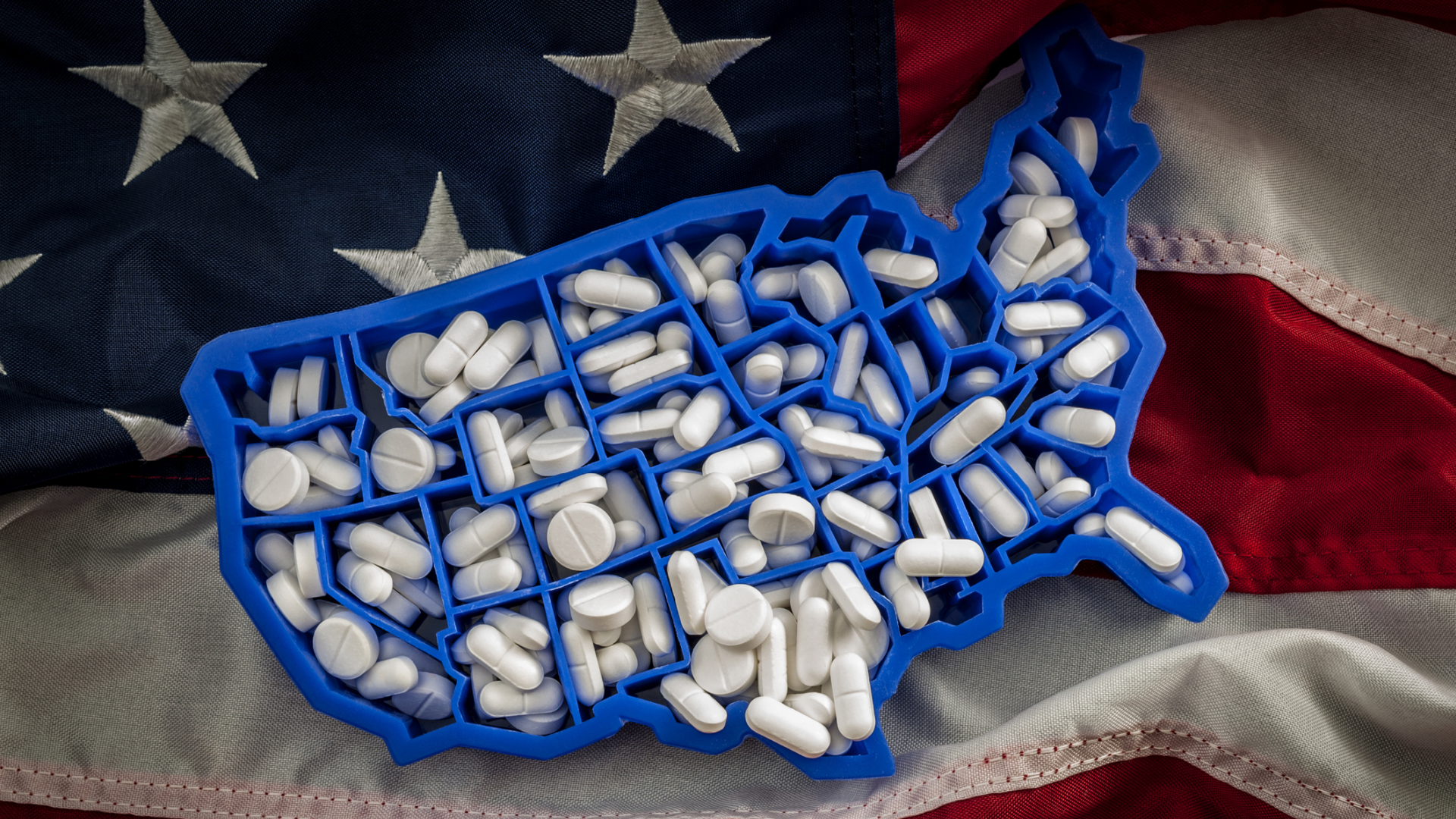
After domestic production of methamphetamine increased significantly in the 1990s, federal and state authorities took action to address the hazardous conditions left behind in meth labs. Congress passed legislation directing the U.S. Environmental Protection Agency to establish meth decontamination guidelines based on the best available scientific knowledge. Today, the synthetic opioid fentanyl and its analogues cause over twice as many overdose deaths in the United States yearly as meth. Its effects, though similar to morphine or heroin, are 50 to 100 times more powerful, making even small amounts dangerous to users and bystanders alike. Despite this, as of 2021, the scale of federal and state action on fentanyl cleanup is not comparable to that historically taken against meth labs. Fentanyl is a relative newcomer to the scene of illicit drugs in the United States, so scientific authorities and policymakers have had less time to address the issue of clean up. In the interim, the lack of authoritative guidance and policy creates risks, as outlined in this fact sheet....

Each issue of Case Law Monitor highlights unique cases from around the United States in the areas of public health and safety, substance use disorder, and the criminal justice system. Every other month, LAPPA updates readers on cases that are important to the field....

New psychoactive substances (NPS) are “substances of abuse, either in pure form or a preparation, that are not controlled by [international drug conventions], but which may pose a public health threat.” The term “new” (or “novel” in some publications) does not denote a brand new, never-before-seen substance, but a substance that is newly available in the drug market. NPS is a catch-all phrase that includes substances like bath salts, synthetic cannabinoids, synthetic opioids, synthetic cathinones, and other drugs of abuse that are not currently scheduled or controlled. This fact sheet provides general information about new and emerging drugs of abuse....

Each issue of News Bites highlights unique news articles from around the United States in the areas of public health and safety, substance use disorder, and the criminal justice system. Every other month, LAPPA updates readers on news they may have missed....

This fact sheet provides information about the Pay for Success Funding Initiatives, which involve, at a minimum, four parties: (1) the service provider/social program; (2) an investor or investors; (3) an independent evaluator; and (4) a traditional funder or “outcomes payor,” usually a branch of federal, state, or local government....

The Model Recovery Residence Certification Act is designed to implement a voluntary certification process for recovery residences in a state. The purpose of certification is to allow for greater oversight of recovery residences and greater protection of recovery home residents. As currently drafted, the Model Act allows either a state agency designated by the state or an approved certifying organization under contract with the state agency to certify recovery residences under the program outlined in the Act. The Act also addresses the zoning issues that have arisen in local jurisdictions around the country....

The Model Overdose Fatality Review Teams Act creates a legislative framework for establishing county-level, multidisciplinary overdose fatality review (OFR) teams in individual states. While overdose deaths occur nationally, OFRs established at the local level allow for the identification of and responses to specific local patterns related to drug overdoses. This model act addresses the duties, responsibilities, and composition of OFR teams in order for them to properly examine and understand the circumstances leading up to a fatal overdose....

Each issue of Case Law Monitor highlights unique cases from around the United States in the areas of public health and safety, substance use disorder, and the criminal justice system. Every other month, LAPPA updates readers on cases that are important to the field....