


Substance Misuse

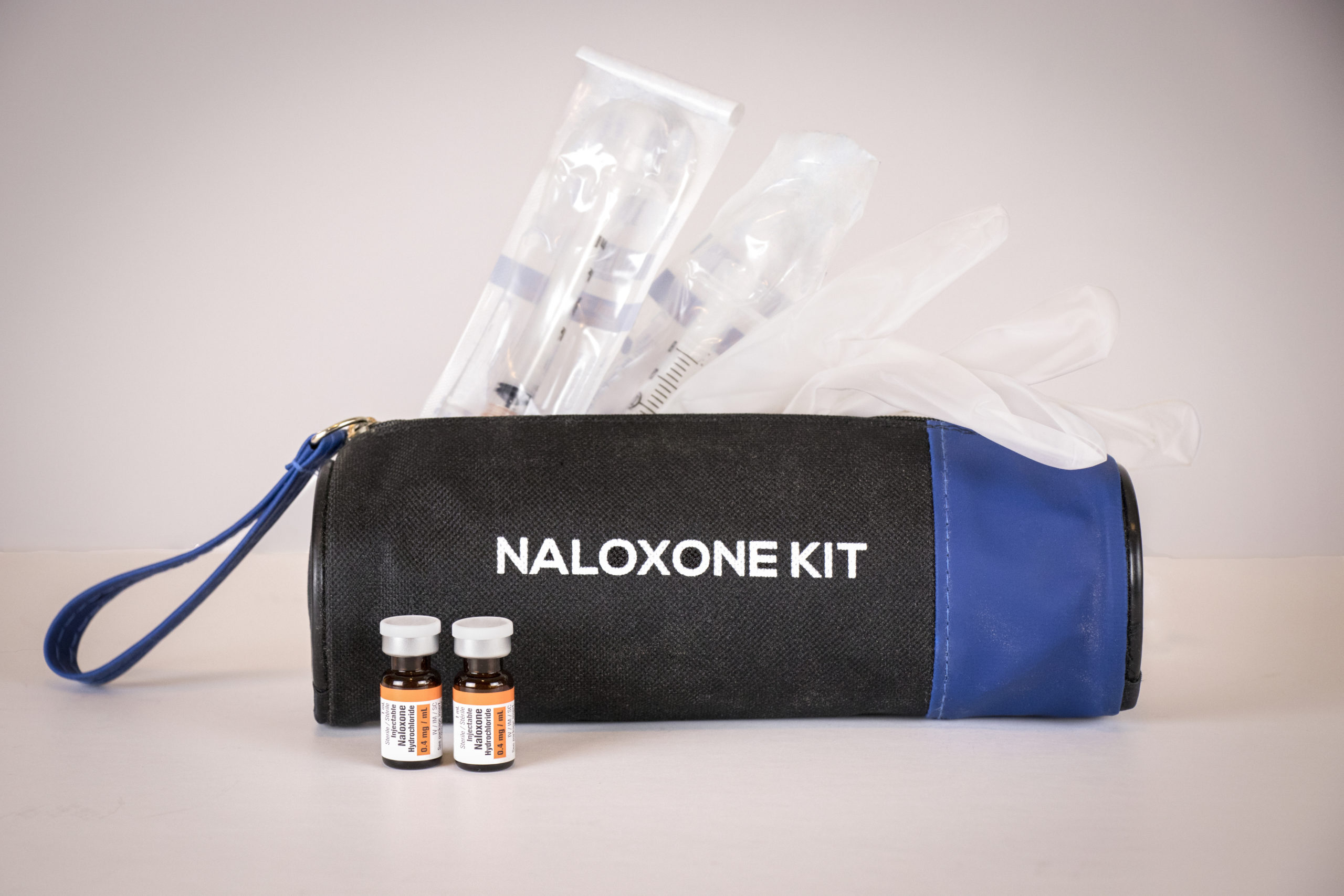
The key elements of the Model Overdose Reversal Agents Act are to: (1) remove all existing restrictions about who can receive, possess, store, transfer without cost, or administer an ORA such that any “person or entity” is eligible; (2) require specified individuals and entities to offer ORAs to individuals at increased risk of overdose; (3) require emergency access to ORAs at specified locations for use by any individual; (4) provide guidelines for ORA sales, in particular sales of non-prescription ORAs; (6) grant broad immunity to people or entities for prescribing, dispensing, giving, donating, transferring without charge, selling, or administering ORAs in the absence of gross negligence, malice, or criminal intent; (7) identify the required content for educational information about ORAs and specify when that information must be disseminated; (8) require Medicaid and other health insurance coverage for ORAs, including non-prescription ORAs, and prohibit discriminatory life and health insurance practices; and (9) create a bulk overdose reversal agent purchasing fund to assist persons and entities to fulfill requirements under the Act....

“Tusi” is the name given to a new synthetic drug combination that first emerged in the 2010s in Latin America and Europe and is becoming increasingly popular in the United States. The name is a play on “2C,” a group of psychedelic drugs common among clubgoers, which tusi is rarely found to contain. Also called “pink cocaine,” though it usually does not contain cocaine, it is a powder that is dyed with pink food coloring that smells of strawberries. It is typically snorted, pressed into pill form, or mixed with water (called “happy water”). Because tusi is new on the drug scene, not much is currently known about the effects of the drug on those who use it. People who use drugs should be aware of the dangers of using tusi due to confusion regarding the names by which it is known as well as the different drugs used to make it and should use harm reduction practices to prevent adverse effects from its use....

In 2018, the city of Chicago, IL gained an ally in the fight against fatal overdoses and substance use disorder in the non-profit organization, To Walk in My Shoes. Co-founded by Marnell Brown, a person in long term recovery, To Walk in My Shoes provides resources and support for those in need in the community. In addition to providing individuals with job skills training, including interview practice and how to write a resume, money management skills, and conflict resolution skills, To Walk in My Shoes also works to raise awareness about and provide testing for HIV/AIDS....

Methadone is one of the three medications approved by the U.S. Food and Drug Administration used for the treatment of opioid use disorder (OUD). Evidence shows that for patients who suffer a nonfatal overdose, subsequent methadone treatment reduces the likelihood of a future fatal opioid overdose by over 50 percent. In 2024, the Substance Abuse and Mental Health Services Administration (SAMHSA) issued the first substantive changes to its federal methadone regulations in over 20 years. This final rule updated and modified several aspects of existing regulations with the goal of expanding the use of methadone for OUD treatment. As part of the revisions, SAMHSA clarified that a hospital, long-term care entity, or correctional facility, if appropriately registered with the Drug Enforcement Administration, can provide and initiate methadone as a treatment for OUD to those with a primary diagnosis other than substance withdrawal or OUD. In this fact sheet the Legislative Analysis and Public Policy Association details changes to the definition of "primary diagnosis" other than OUD regulation. The fact sheet also covers the federal regulatory scheme for methadone to treat OUD and explains what led SAMHSA to revise its regulations. ...

The Legislative Analysis and Public Policy Association is monitoring the emergence of novel psychoactive substances appearing on the illicit drug market in the United States. The term “novel” does not denote a new, never-before-seen substance but rather a substance that is newly available in the drug market. This fact sheet examines medetomidine, a powerful veterinary sedative that has been appearing as an adulterant in fentanyl mixtures in the U.S. Medetomidine is a synthetic alpha-2 agonist that is used as a sedative in veterinary medicine and sold under the brand name Domitor®. Medetomidine belongs to the same drug class as xylazine, but its potency is 200 times greater, and has a longer duration of action, than xylazine. The U.S. Food and Drug Administration has only approved medetomidine for use in veterinary medicine, and information about the use of the substance in humans is limited. The effects of medetomidine on humans are not well understood but include prolonged sedation, slow heart rate, slowed breathing, and low blood pressure. Similar to xylazine, the combination of medetomidine with other substances, like fentanyl, can enhance or prolong the effects of the substance and place the individual at a higher risk of overdose than from the...

In this document, the Legislative Analysis and Public Policy Association (LAPPA) examines state-level statutes and regulations related to substance use during pregnancy and whether such use during pregnancy is considered child abuse or neglect in the jurisdiction. ...

Paramedics in the State of New Jersey are permitted to carry and administer buprenorphine to treat acute withdrawal symptoms after having had an opioid overdose reversed with naloxone. The directive, via Executive Order from the State Health Commissioner, simply added buprenorphine to the list of medications available to paramedics in the MICUs and required officials in each county to train paramedics on the protocol. ...

The Addiction and Public Policy Initiative at the O’Neill Institute for National and Global Health Law was established in 2018 through a generous grant from Arnold Ventures. Housed at Georgetown Law, the Addiction and Public Policy Initiative works at the intersection of public health and the law to advance a public health approach to substance use disorder and the overdose epidemic through legal and policy strategies that promote evidence-based treatment, harm reduction, and recovery. This reports highlights O'Neill's accomplishments over the last five years....

The Coordinated Opioid Recovery (CORE) Network, overseen by the Florida Department of Health, the Florida Department of Children and Families, and the Florida Agency for Health Care Administration establishes a system of care for individuals suffering from substance use disorder (SUD). CORE provides a state-supported, coordinated system of addiction care for individuals with SUD and has provided approximately 550,000 services to support patients since its inception in 2022....

The Legislative Analysis and Public Policy Association is monitoring the emergence of novel psychoactive substances appearing on the illicit drug market in the United States. The term “novel” does not denote a new, never-before-seen substance but rather a substance that is newly available in the drug market. This fact sheet,  examines xylazine, a powerful veterinary sedative increasingly appearing as an adulterant in heroin and fentanyl mixtures in the U.S., particularly since 2020. Xylazine has a chemical structure similar to compounds called phenothiazines and operates by decreasing the release of norepinephrine and dopamine in the central nervous system, resulting in analgesia, sedation, and muscle relaxation. Xylazine intoxication can result in central nervous system depression, low blood pressure, and slow heart rate. Respiratory depression can also occur, which increases the risk of overdose when combined with opioid-induced respiratory depression. ...