


News

Twitter Feed

Latest Tweets
Bad Authentication data.
Please enter valid API Keys.

Each issue of Case Law Monitor highlights unique cases from around the United States in the areas of public health and safety, substance use disorder, and the criminal justice system. Every other month, LAPPA updates readers on cases that are important to the field....

Each issue of News Bites highlights unique news articles from around the United States in the areas of public health and safety, substance use disorder, and the criminal justice system. Every other month, LAPPA updates readers on news they may have missed....

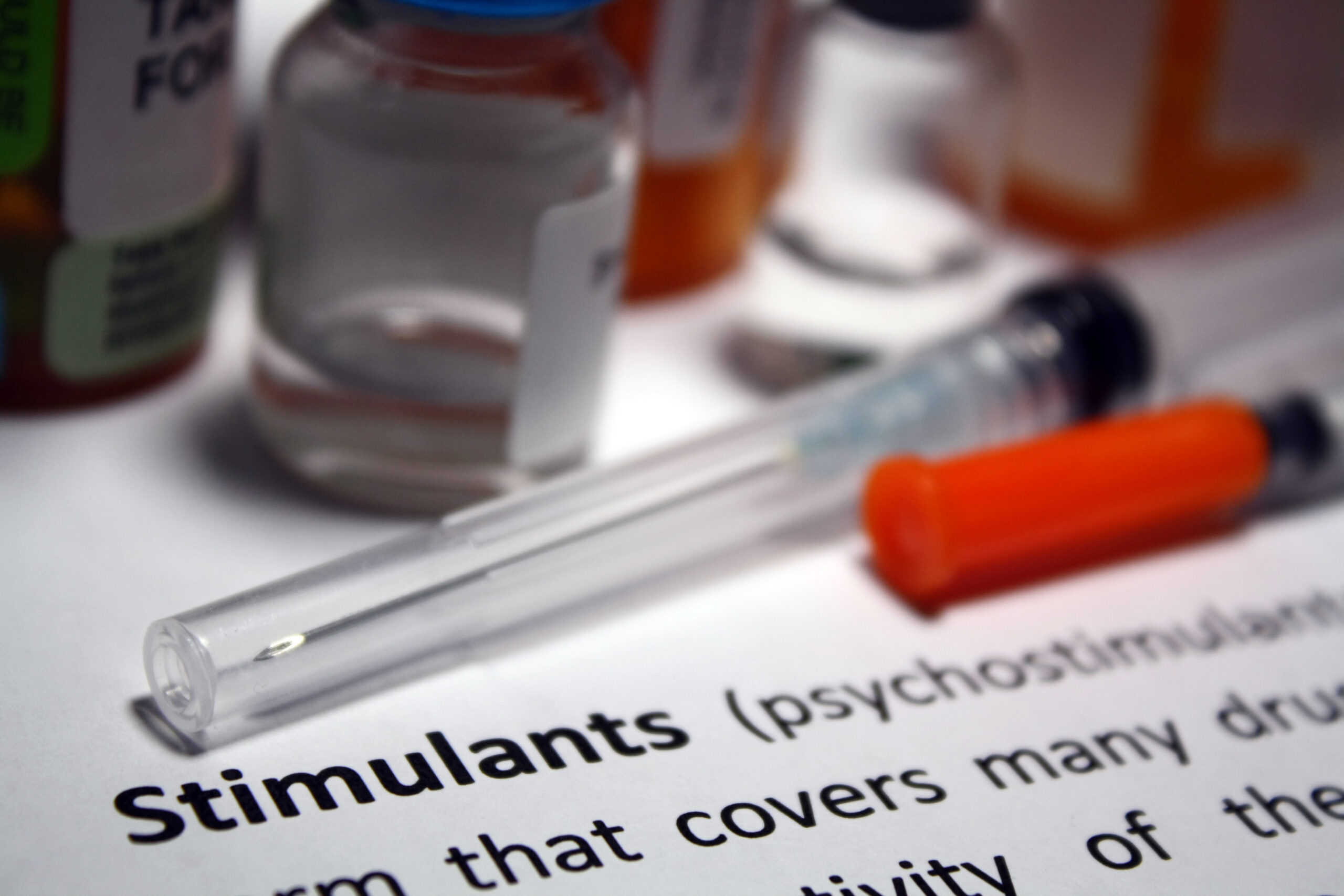
Total abstinence has historically been the goal of treatment for substance use disorders; however, there is a growing recognition of the health benefits associated with reduced use as a harm reduction measure in stimulant use disorders treatment. The researchers and authors of this report aimed to assess the validity of reduced stimulant use as an outcome measure in randomized controlled trials of pharmacological interventions for stimulant use disorder....

Each issue of Case Law Monitor highlights unique cases from around the United States in the areas of public health and safety, substance use disorder, and the criminal justice system. Every other month, LAPPA updates readers on cases that are important to the field....

This fact sheet examines the racial disparities and stigma surrounding crack cocaine, established in the late 1980s, that continue to this day. The Fair Sentencing Act has helped to lessen the sentencing disparity between crack and powder cocaine, yet gaps remain. Passage of certain legislation, like the so-called EQUAL Act, would eliminate both the sentencing and racial disparity in cocaine sentencing still seen today in U.S. courts....

Each issue of News Bites highlights unique news articles from around the United States in the areas of public health and safety, substance use disorder, and the criminal justice system. Every other month, LAPPA updates readers on news they may have missed....

The Model Recovery-ready Workplaces Act establishes a program by which employers can become recovery-ready participants or certified as recovery-ready workplaces. Examples of recovery-ready policies may include (1) establishing a culture that values a healthy work environment; (2) encouraging the hiring of qualified people in recovery; and (3) eliminating barriers for employees seeking treatment....