
Fact Sheets

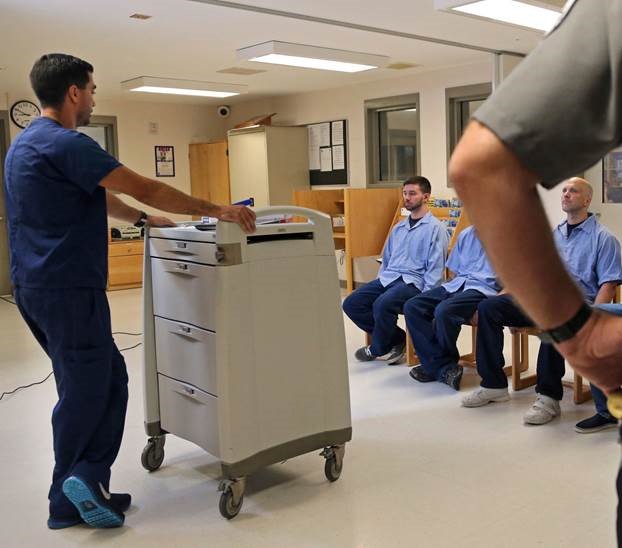
Withdrawal syndrome occurs in individuals who have developed physiological dependence on a substance and who discontinue or reduce their use of that substance. Individuals who use drugs or alcohol prior to incarceration may experience the onset of withdrawal syndrome while in a correctional setting, leading to illness or death. This fact sheet provides an overview on the management of withdrawal symptoms of individuals in the corrections system....

There are a number of expert recommendations regarding how to identify, work with, and treat pregnant and postpartum women with SUD to ensure the best outcomes for both parent and child. There are also legal requirements regarding notification to state child welfare agencies of infants born affected by prenatal substance exposure or experiencing withdrawal and the creation of family care plans (also known as plans of safe care). This fact sheet provides readers with an overview of those recommendations and requirements....

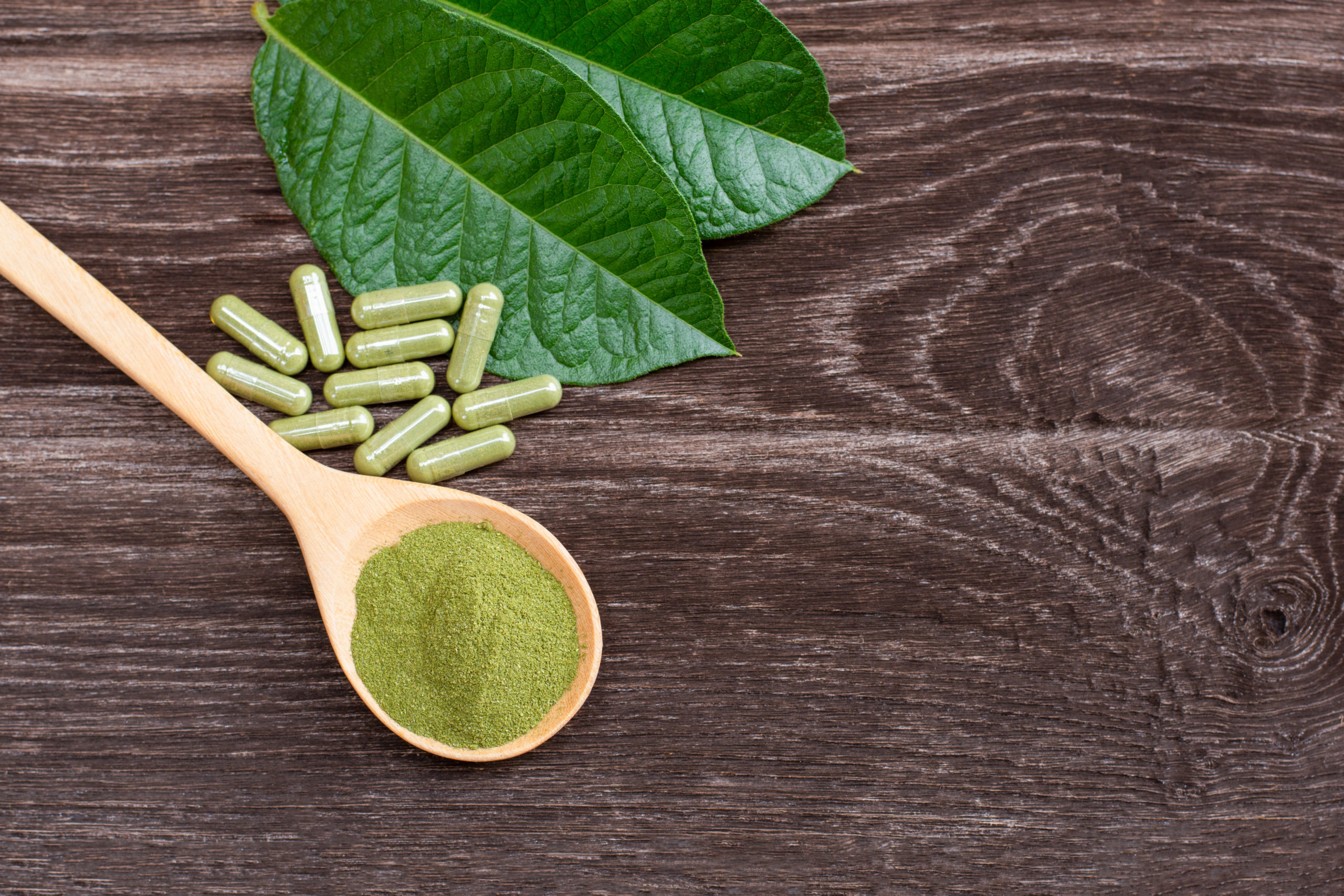
Kratom is an herb that is derived from a leafy Southeast Asian tree, known formally as Mitragyna speciosa. It contains two psychoactive compounds, mitragynine and 7-hydroxymitragynine, which can produce a pharmacological response that is similar to that produced by morphine. Federal regulators and kratom organizations are at odds about the potential dangers (or lack thereof) of kratom and how kratom should be regulated. In addition to federal regulatory battles, some state and local governments have implemented regulatory controls on kratom. ...

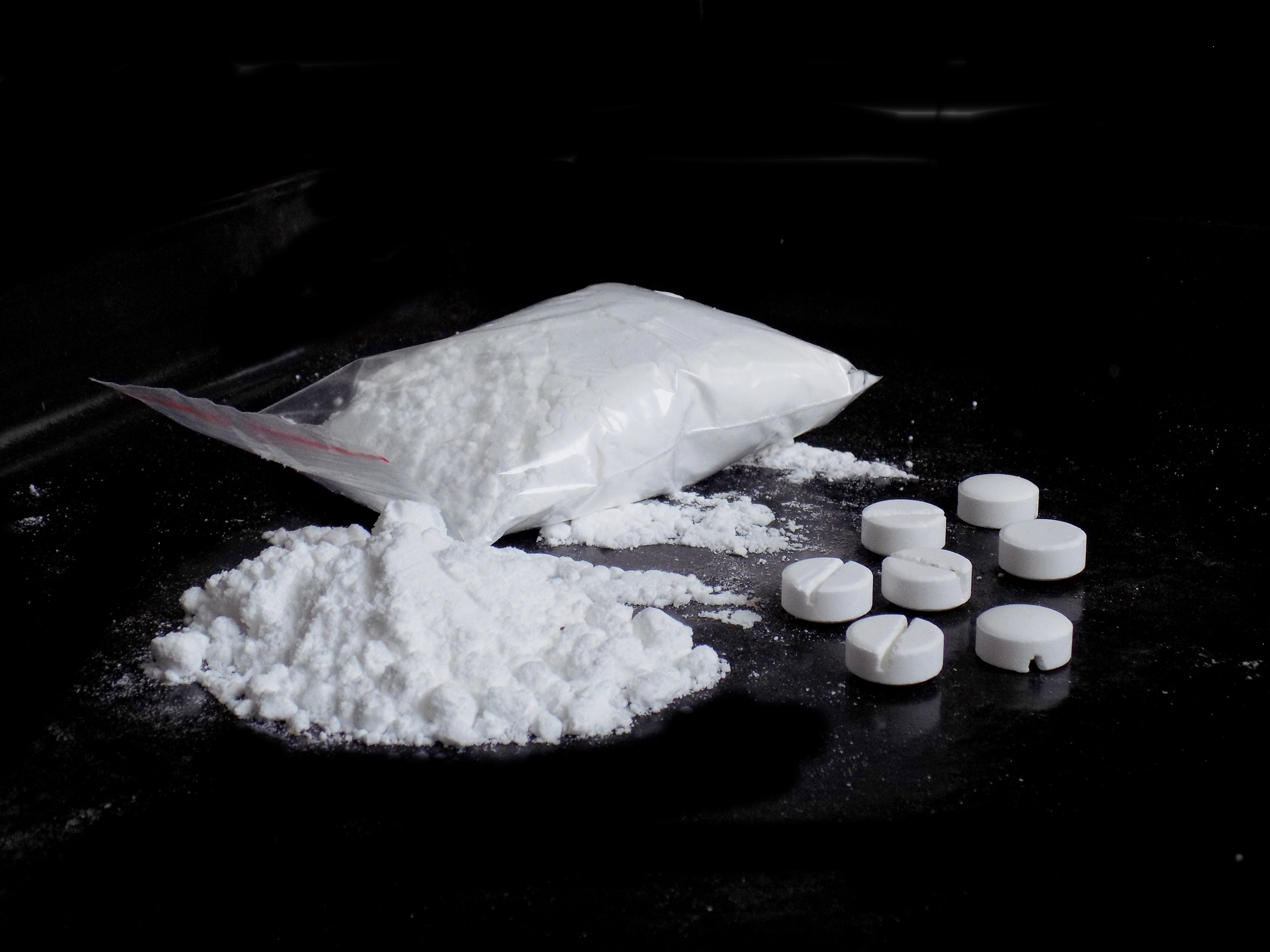
The Legislative Analysis and Public Policy Association is monitoring the emergence of novel psychoactive substances appearing on the illicit drug market in the United States. The term “novel” does not denote a new, never-before-seen substance but rather a substance that is newly available in the drug market. This fact sheet,  examines pyro, a relatively new high potency synthetic opioid increasing in prevalence in the U.S. Pyro belongs to an opioid subclass of NPS called 2-benezylbenzimidazoles, or nitazenes, and is structurally similar to etonitazene, a synthetic opioid that is nationally and internationally controlled. N-pyrrolidino etonitazene is not described or mentioned in any medical literature or patents, meaning that it is a truly “novel” NPS and likely developed independently from the pharmaceutical industry. Researchers believe that N-pyrrolidino etonitazene is coming to the U.S. via purchases on the dark web and is likely being produced in China. N-pyrrolidino etonitazene can be found in powder form or pressed into pills to resemble other substances. Studies estimate that N-pyrrolidino etonitazene is over 800 times more potent than morphine and 20-40 times more potent than fentanyl. Like other opioids, N-pyrrolidino etonitazene use can potentially cause fatal respiratory depression in the person ingesting the drug. However, because...

Recovery residences provide a sober, safe, and healthy living environment that promotes recovery from alcohol and other drug use and associated problems. These residences are commonly referred to by a number of names, including sober living houses, sober living environments, and recovery homes, and their primary purpose is to provide a home-like environment for individuals in recovery from substance use disorder to help sustain that recovery....

Naloxone is an emergency opioid antagonist that works by reversing the effects of an opioid overdose. Specifically, naloxone prevents decreased breathing which typically happens when someone overdoses on an opioid and must be given when someone shows the first sign of an overdose. Naloxone access laws delineate how someone may legally access naloxone in a particular state or jurisdiction. This includes which individuals can prescribe, dispense, or administer naloxone and what forms of civil or criminal immunity are provided, if any, for the use of the opioid reversal drug. All 50 states and the District of Columbia have some form of naloxone access law. This fact sheet provides readers with an overview of what naloxone is and a brief overview of naloxone access law across the United States....

Syringe Services Programs (SSPs) are harm reduction programs that provide a wide range of services including, but not typically limited to, the provision of new, unused hypodermic needles and syringes and other injection drug use supplies, such as cookers, tourniquets, alcohol wipes, and sharps waste disposal containers, to people who inject drugs. SSPs, initially limited to the exchange of hypodermic needles and syringes and often still called needle or syringe exchange programs, have been present in the United States in some form since the early 1980s. Often illegal due to drug paraphernalia laws – an issue that still exists today – only seven U.S. cities had programs by the end of 1991.  According to the Centers for Disease Control and Prevention (CDC), in November 2007, there were 185 SSPs in 36 states, the District of Columbia, and Puerto Rico. As of February 2022, that number has increased to 414 operational SSPs in all 50 states, the District of Columbia, and Puerto Rico, although only 38 states, the District of Columbia, and Puerto Rico either explicitly or implicitly authorize SSPs through statute or regulation. This fact sheet provides readers with an overview of SSPs, including the components that make up a...