


Fact Sheets

The first U.S. reports of counterfeit pills containing fentanyl emerged in a handful of jurisdictions in 2015 and by October 2019, all U.S. jurisdictions reported them. One reason for the proliferation is the ease with which drug traffickers can enter this market. With only a few thousand dollars, a person can purchase a pill press, pill molds, and dies that mimic trademarked pharmaceuticals and enough illicitly imported fentanyl to generate $5 to $20 million in sellable counterfeit pills. Given the simple manufacturing process and low startup costs, counterfeiting is an attractive area for drug traffickers, albeit one that creates substantial health risks to consumers. Despite this, however, there are relatively few federal or state laws governing access to pill press machines, and those that exist do not provide for substantial oversight or assessment. In this fact sheet, the Legislative Analysis and Public Policy Association reviews: (1) what pill presses are and how people obtain them; (2) why fentanyl is an often-used drug in counterfeit pills and the health concerns this poses; and (3) the limited, currently-in-force, applicable state and federal laws....

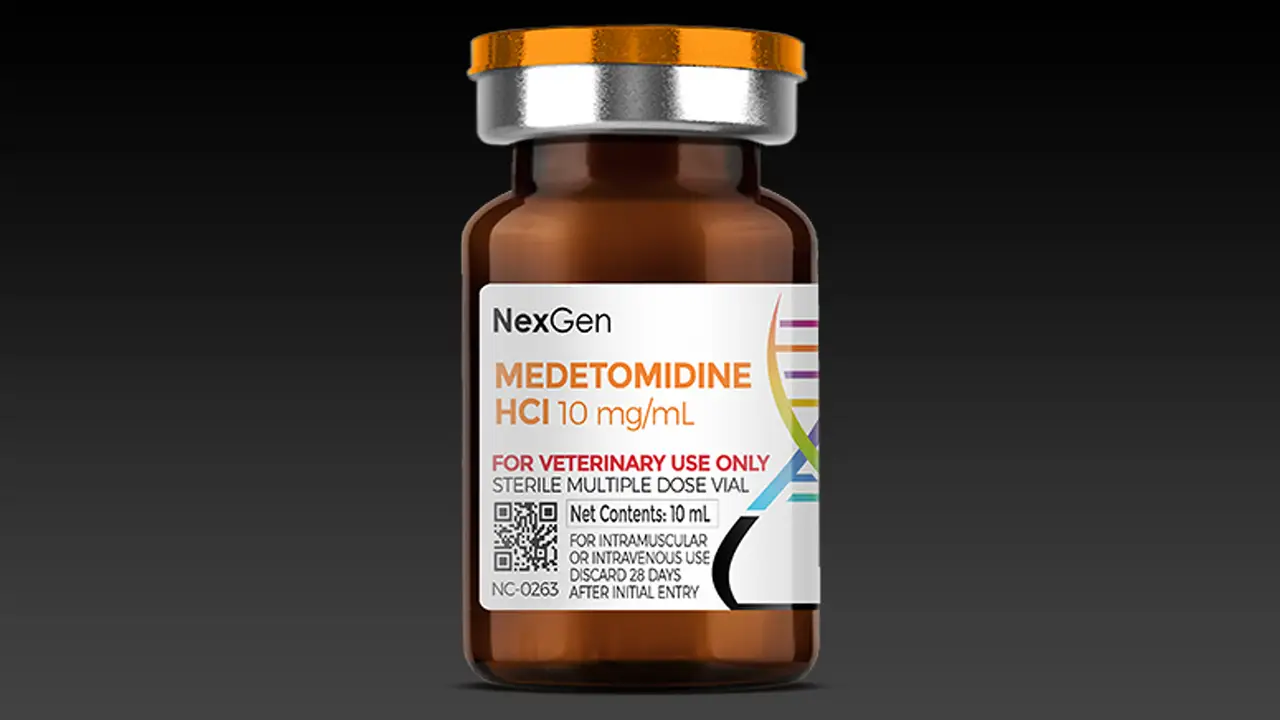
The Legislative Analysis and Public Policy Association is monitoring the emergence of novel psychoactive substances appearing on the illicit drug market in the United States. The term “novel” does not denote a new, never-before-seen substance but rather a substance that is newly available in the drug market. This fact sheet,  examines xylazine, a powerful veterinary sedative increasingly appearing as an adulterant in heroin and fentanyl mixtures in the U.S., particularly since 2020. Xylazine has a chemical structure similar to compounds called phenothiazines and operates by decreasing the release of norepinephrine and dopamine in the central nervous system, resulting in analgesia, sedation, and muscle relaxation. Xylazine intoxication can result in central nervous system depression, low blood pressure, and slow heart rate. Respiratory depression can also occur, which increases the risk of overdose when combined with opioid-induced respiratory depression. ...

This fact sheet examines the racial disparities and stigma surrounding crack cocaine, established in the late 1980s, that continue to this day. The Fair Sentencing Act has helped to lessen the sentencing disparity between crack and powder cocaine, yet gaps remain. Passage of certain legislation, like the EQUAL Act, which was introduced in the 118th Congress in 2023, would eliminate both the sentencing and racial disparity in cocaine sentencing still seen today in U.S. courts....

The Legislative Analysis and Public Policy Association is monitoring the emergence of novel psychoactive substances appearing on the illicit drug market in the United States. The term “novel” does not denote a new, never-before-seen substance but rather a substance that is newly available in the drug market. This fact sheet examines bromazolam, a novel benzodiazepine that is structurally related to alprazolam (Xanax), which has been a Schedule IV controlled substance in the U.S. since November 1981. Bromazolam is typically found in tablet or powder form and sold mainly via online drug markets under its own name or as “XLI-268.” It has been found mixed with opioids, including fentanyl, and in counterfeit Xanax pills. There is not much information about the illicit use of bromazolam and its effects on the human body in scientific literature, so most of the information currently available about the substance is anecdotal. ...

This fact sheet summarizes a recent increase in the use of contingency management, a behavioral therapy that reinforces or rewards positive behavioral change. Often, mental health professionals use contingency management alongside other methods of treatment. In the context of substance use disorder treatment, patients typically receive something of monetary value to incentivize abstinence from drug use. Contingency management is a well-studied and effective method for treating substance use disorder, but until recently, received little support....

The Legislative Analysis and Public Policy Association is monitoring the emergence of novel psychoactive substances appearing on the illicit drug market in the United States. The term “novel” does not denote a new, never-before-seen substance but rather a substance that is newly available in the drug market. This fact sheet examines nitazenes, a group of synthetic opioids more powerful than fentanyl. Scientists developed nitazenes in the 1950s as analgesics, but the U.S. Food and Drug Administration never approved the compounds for therapeutic use....

Deflection is any collaborative intervention connecting law enforcement, other first responders, and community responders with public health systems to create pathways to treatment and services for individuals—with low to moderate criminogenic risk—who have a substance use disorder, mental health disorder, or co-occurring disorders and who often have other service needs. This fact sheet provides an overview of what deflection is, examples of initiatives utilizing one or more of the six recognized deflection pathways, and a brief description of the status of deflection-related laws in the United States....

This fact sheet addresses the growing misuse of ketamine, an anesthetic used medically in both humans and animals as a short-acting painkiller. Ketamine can produce dissociative sensations, feelings of euphoria, and hallucinations, and it is popular as a “club drug” among teens and young adults at dance clubs and raves. Most of the ketamine illicitly distributed in the U.S. is either diverted or stolen from legitimate sources, particularly veterinary clinics, or smuggled into the U.S. from Mexico....

The Legislative Analysis and Public Policy Association (LAPPA) is monitoring the emergence of novel psychoactive substances (NPS) appearing on the illicit drug market in the United States. The term “novel” does not denote a new, never-before-seen substance but rather a substance that is newly available in the drug market. This fact sheet, the fourth in a series highlighting these potentially dangerous drugs, examines isotonitazene, a synthetic opioid recently classified as a Schedule I controlled substance under the federal Controlled Substances Act....