


Drug Paraphernalia

 “Drug checking” is a strategy to prevent overdoses among individuals who use illicitly obtained drugs by informing these individuals of the substances present in a sample and if those substances include an unexpected adulterant, and while drug checking programs are more common in parts of Europe and Canada, the proliferation of adulterants such as fentanyl and xylazine in the American illicit drug supply over the past decade has led to an increased interest in drug checking—and the equipment used to do it—in the United States. Drug checking equipment (DCE) includes both simple drug checking methods and more complex options. Simple DCE, such as fentanyl test strips (FTS) and other rapid drug test strips, liquid reagent tests, and thin layer chromatography kits, provide qualitative information about the presence of a particular drug/substance—or lack thereof—for which the test is designed. In June 2021, LAPPA published a fact sheet on FTS. LAPPA’s 2021 fact sheet addressed how disposable, single-use FTS work as a drug checking tool, studies investigating their efficacy, and the obstacle to large-scale FTS distribution created by state laws criminalizing the use and possession of drug paraphernalia. Now, five years later, some aspects of drug checking and FTS described in the...

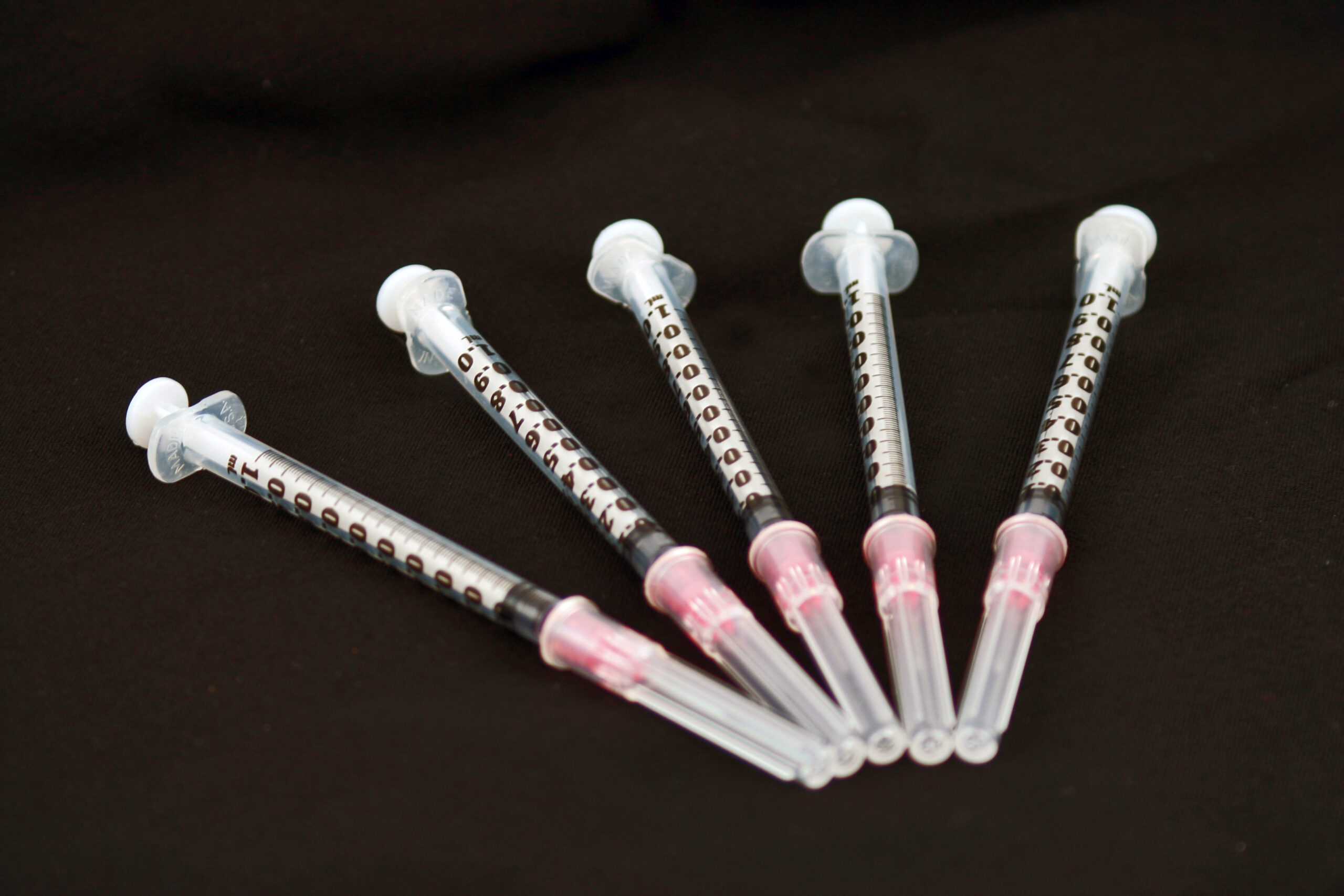
Syringe services programs (SSPs), initially limited to the exchange of hypodermic needles and syringes and often still called needle or syringe exchange programs, have been present in the United States in some form since the early 1980s. Often illegal due to drug paraphernalia laws – an issue that still exists in 2026 – only seven U.S. cities had programs by the end of 1991. According to the Centers for Disease Control and Prevention (CDC), in November 2007, there were 185 SSPs in 36 states, the District of Columbia, and Puerto Rico. As of June 2026, that number has increased to 587 operational SSPs in 45 states, the District of Columbia, and Puerto Rico, although only 37 states, the District of Columbia, and Puerto Rico either explicitly or implicitly authorize SSPs through statute or regulation. This fact sheet provides readers with an overview of SSPs, including the components that make up a comprehensive SSP and the obstacles encountered by programs and their participants....