

Prescription Drugs

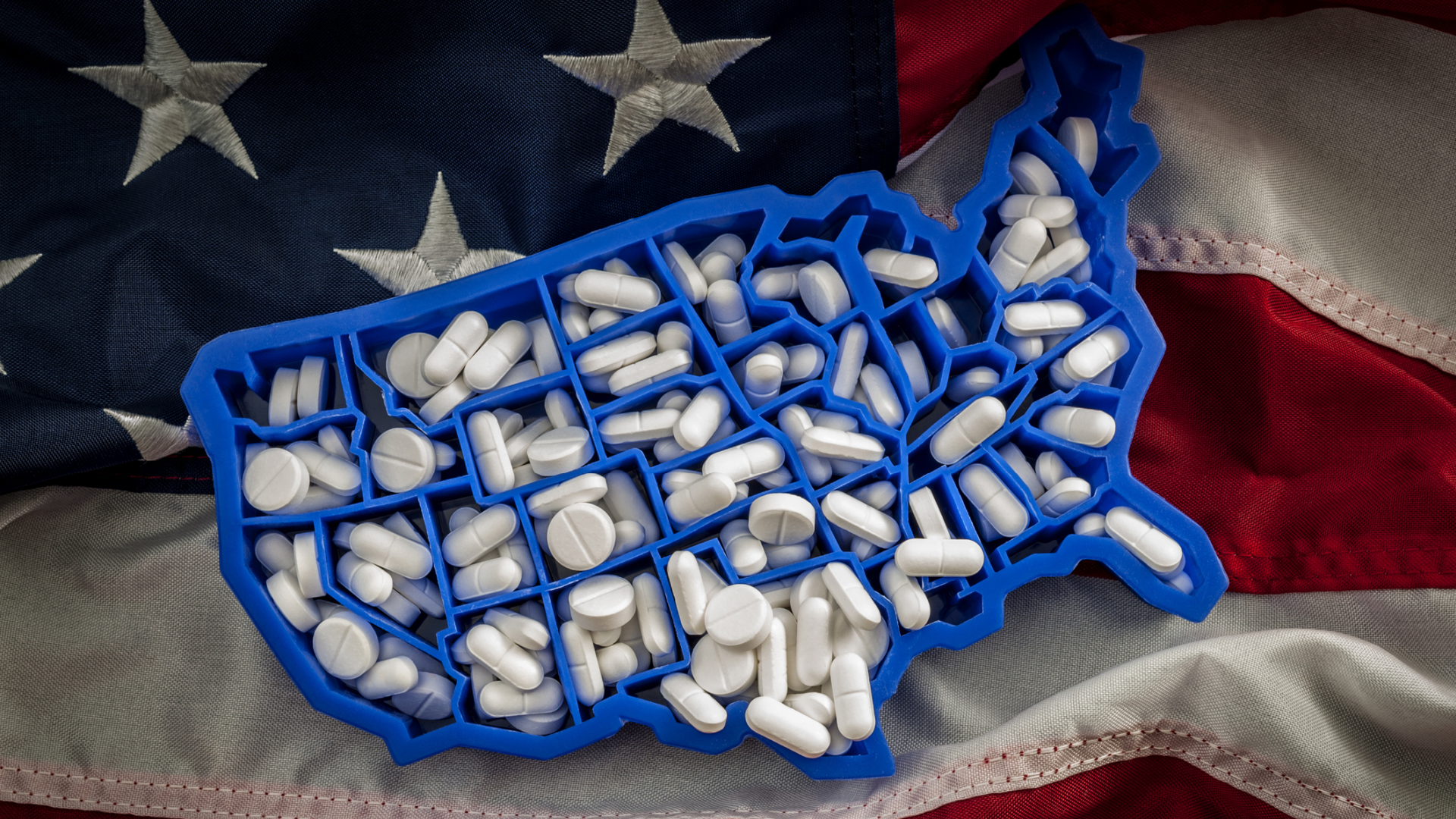
Since the late 1990s, the United States has outpaced every other country in per capita opioid consumption. Most research suggests that high levels of prescription opioid consumption in the United States have contributed to the current epidemic of opioid misuse and overdose deaths; a review of the scientific literature through February 2020 on international opioid consumption and prescribing practices points to several possible underlying reasons explaining the difference in opioid consumption per capita in the United States....

In recent years, some states have enacted Good Samaritan and Naloxone Access laws to help reduce overdose deaths and respond to opioid overdoses.The Comprehensive Addiction and Recovery Act of 2016 included a provision for GAO to review these laws. This report addresses the following: (1) the efforts ONDCP has taken to collect and disseminate information on Good Samaritan and Naloxone Access laws, (2) the extent to which states, territories, and D.C. have these laws and the characteristics of them, and (3) what research indicates concerning the effects of Good Samaritan laws.To answer these questions, GAO collected and reviewed ONDCP documents and interviewed agency officials. GAO also reviewed and analyzed selected characteristics of jurisdictions' Good Samaritan and Naloxone Access laws. Further, GAO conducted a literature review of empirical studies published from 2010 through May 2020 that examined the effects of Good Samaritan laws....

New psychoactive substances (NPS) are “substances of abuse, either in pure form or a preparation, that are not controlled by [international drug conventions], but which may pose a public health threat.” The term “new” (or “novel” in some publications) does not denote a brand new, never-before-seen substance, but a substance that is newly available in the drug market. NPS is a catch-all phrase that includes substances like bath salts, synthetic cannabinoids, synthetic opioids, synthetic cathinones, and other drugs of abuse that are not currently scheduled or controlled. This fact sheet provides general information about new and emerging drugs of abuse....

The Department of Justice’s Bureau of Justice Statistics recently released statistical briefs on selected policies and procedures of local police departments and sheriffs’ offices, based on data from BJS’s 2016 Law Enforcement Management and Administrative Statistics survey. The tables show national estimates and distributions by population served on topics such as average hours of officer training by type of training, written community-policing plans, annual operating budgets, written directives for officer conduct, written documentation for officers’ display or discharge of firearms, authorized less-lethal techniques and restraints, and requirements for external investigations of deaths or use of force....