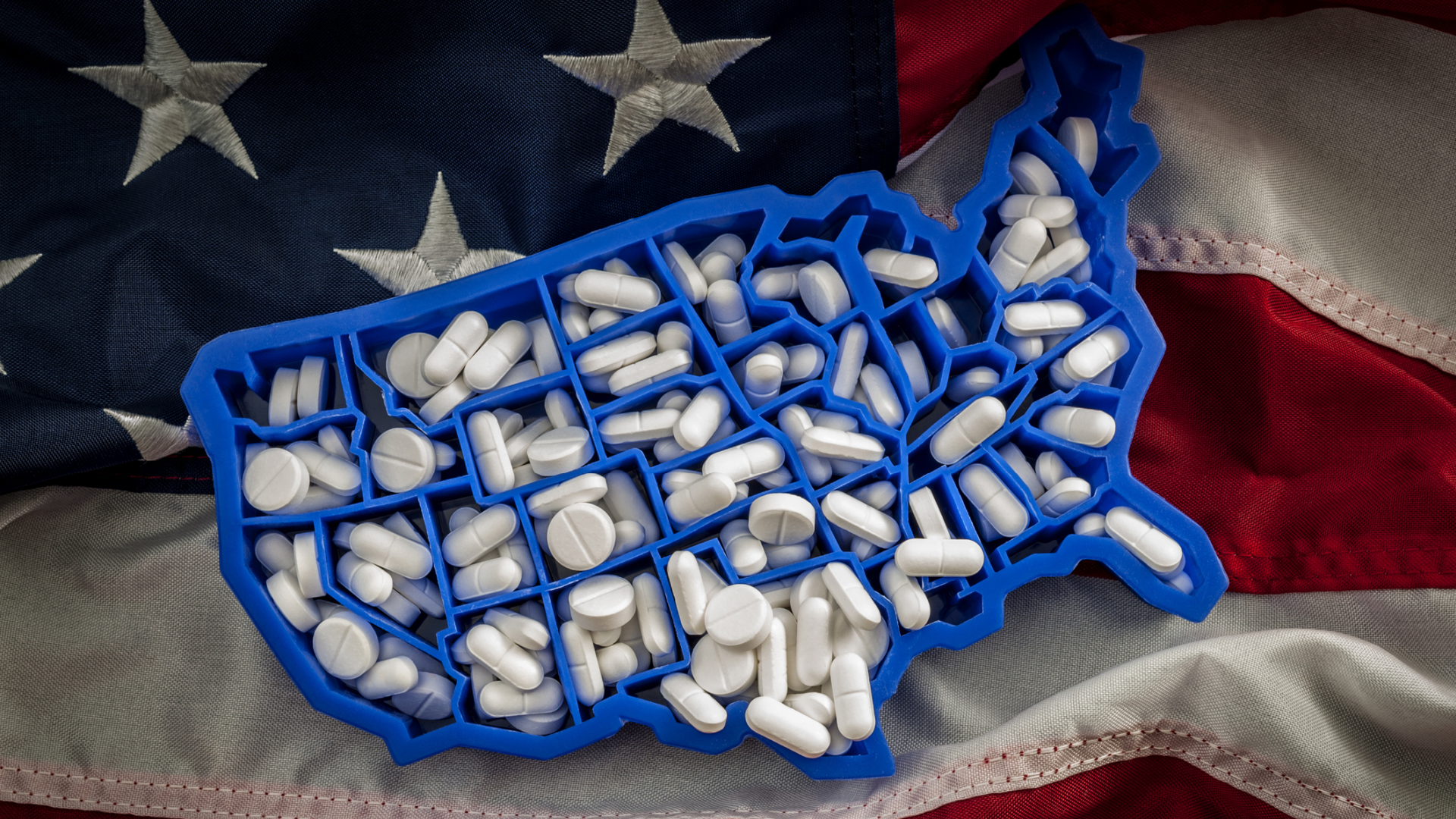
Controlled Substances

The Bloomberg School of Public Health at Johns Hopkins University recently released a three-part report about the multi-district opioid litigation that has been making its way through the court system for many years. Part 1 of the trilogy, focuses on a series of principles governing the use of the settlement funds: (1) spending money to save lives; (2) using evidence to guide spending; (3) investing in youth prevention; (4) focusing on racial equity; and (5) developing a fair and transparent process for deciding where to spend the funding....

The Model Syringe Services Program Act authorizes the establishment of comprehensive syringe services programs, which are associated with a decrease in bloodborne infectious disease diagnoses as well as the number of needlestick injuries to first responders and others. This Act delineates the required components for syringe services programs operating within a state, including that such programs: (1) directly provide, or offer referrals to, expanded services, such as substance use disorder treatment, including medications for addiction treatment, HIV and viral hepatitis testing and treatment services, access to opioid antagonist kits, health care services, and mental health services; (2) reduce needlestick injuries to law enforcement, emergency services personnel, sanitation workers, and members of the community; (3) provide data collection and reporting requirements for syringe services programs; (4) provide immunity from criminal arrest, charge, and prosecution for the possession, distribution, or furnishing of hypodermic needles and syringes and other supplies; (5) provide educational and training materials for members of the community, including law enforcement and other first responders, such as emergency medical services; and (6) provide for funding of syringe services programs....

A significant barrier to treatment for individuals struggling with a substance use disorder is the ability to find and access appropriate treatment and recovery services. Hope Not Handcuffs is an initiative that addresses this issue by having law enforcement personnel help those  struggling with a substance use disorder find pathways to treatment without arresting them....

A newly released report from the United States Department of Justice indicates that among all state and federal prisoners, nearly four in 10 self-reported using drugs and three in 10 self-reported consuming alcohol, at the time of the offense for which they are currently serving a sentence in a correctional facility. Many of those individuals meet the clinical definition of having a substance or alcohol use disorder - 40% for substance use and just over 20% for alcohol. Of that population, 33% of state and 46% of federal prisoners, who met the criteria for having a substance or alcohol use disorder, reported participating in a treatment program after their admission to a correctional facility....

The Model Withdrawal Management Protocol in Correctional Settings Act: (1) requires evidence-based treatment of substance use disorders, including the use of FDA-approved medications; (2) requires correctional settings to establish and implement administrative and clinical protocols when detaining individuals at risk of withdrawal; and (3) provides state legislators, policymakers, and those in the correctional and health care professions with a comprehensive framework to better respond to withdrawal symptoms and related mental health crises of individuals in custody to decrease their mortality while in correctional settings....

One of the ways in which jurisdictions are combating the epidemic of drug overdoses in communities is through the use of “spike alerts,” that is, targeted messages that notify recipients that there is an unexpected increase in drug-related overdoses in a specific area. The purpose of these notifications is to “reduce injury or death from opioid overdoses during spike events.” ...

Since the late 1990s, the United States has outpaced every other country in per capita opioid consumption. Most research suggests that high levels of prescription opioid consumption in the United States have contributed to the current epidemic of opioid misuse and overdose deaths; a review of the scientific literature through February 2020 on international opioid consumption and prescribing practices points to several possible underlying reasons explaining the difference in opioid consumption per capita in the United States....

Smaller than a pencil, and using the same technology as an at-home pregnancy test, fentanyl test strips are disposable, single-use tests that can detect the presence of fentanyl or fentanyl analogs in a substance. This fact sheet sets forth how fentanyl test strips work as a drug checking tool, how they can mitigate risks to people with substance use disorder, and the current challenges with their legality....