
Syringe Services Programs (UPDATE) – a FACT SHEET by the Legislative Analysis and Public Policy Association
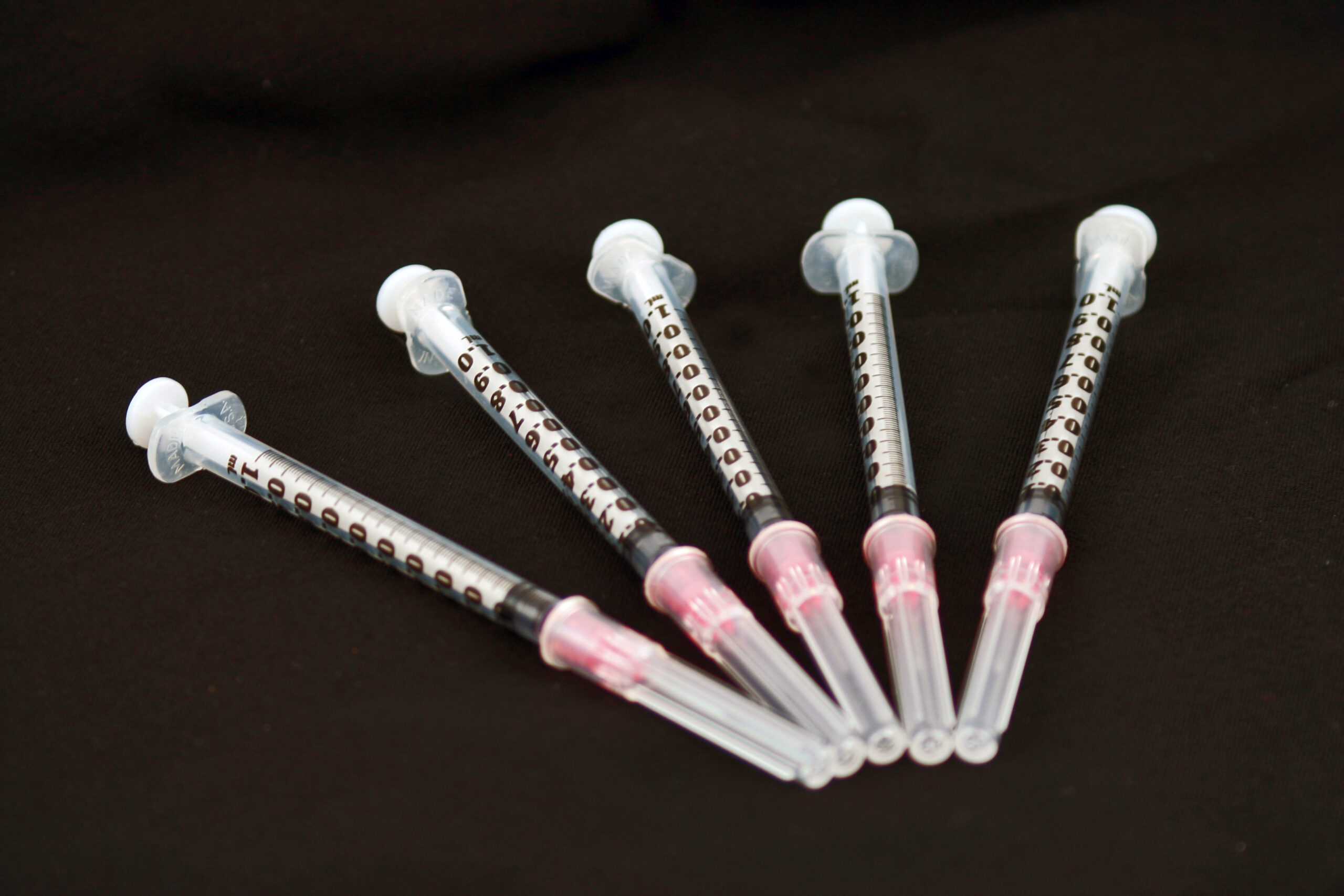
Syringe services programs (SSPs), initially limited to the exchange of hypodermic needles and syringes and often still called needle or syringe exchange programs, have been present in the United States in some form since the early 1980s. Often illegal due to drug paraphernalia laws – an issue that still exists in 2026 – only seven U.S. cities had programs by the end of 1991. According to the Centers for Disease Control and Prevention (CDC), in November 2007, there were 185 SSPs in 36 states, the District of Columbia, and Puerto Rico. As of June 2026, that number has increased to 587 operational SSPs in 45 states, the District of Columbia, and Puerto Rico, although only 37 states, the District of Columbia, and Puerto Rico either explicitly or implicitly authorize SSPs through statute or regulation. This fact sheet provides readers with an overview of SSPs, including the components that make up a comprehensive SSP and the obstacles encountered by programs and their participants.
Read the Fact Sheet.