


Amanita Muscaria (Fly Agaric)
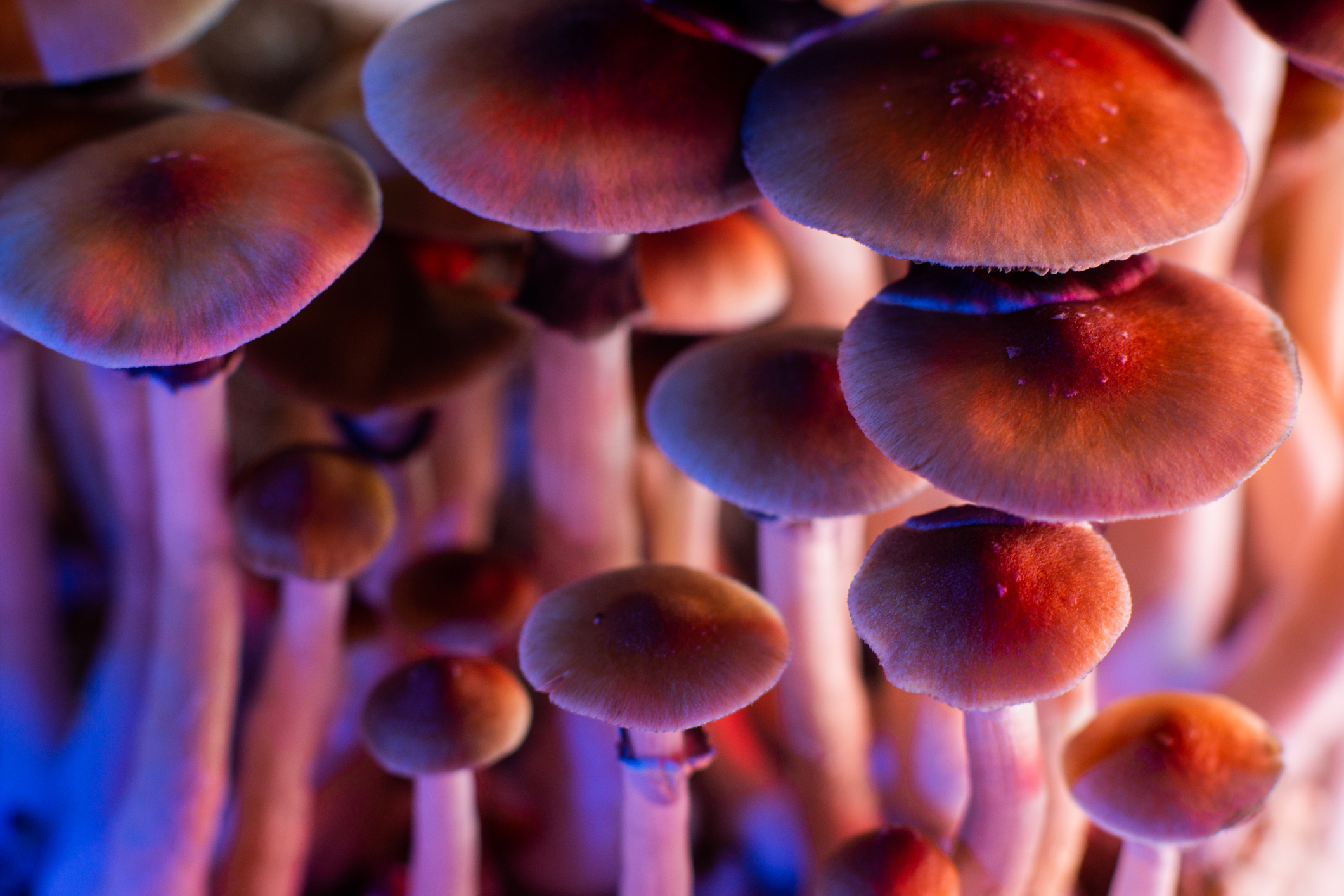
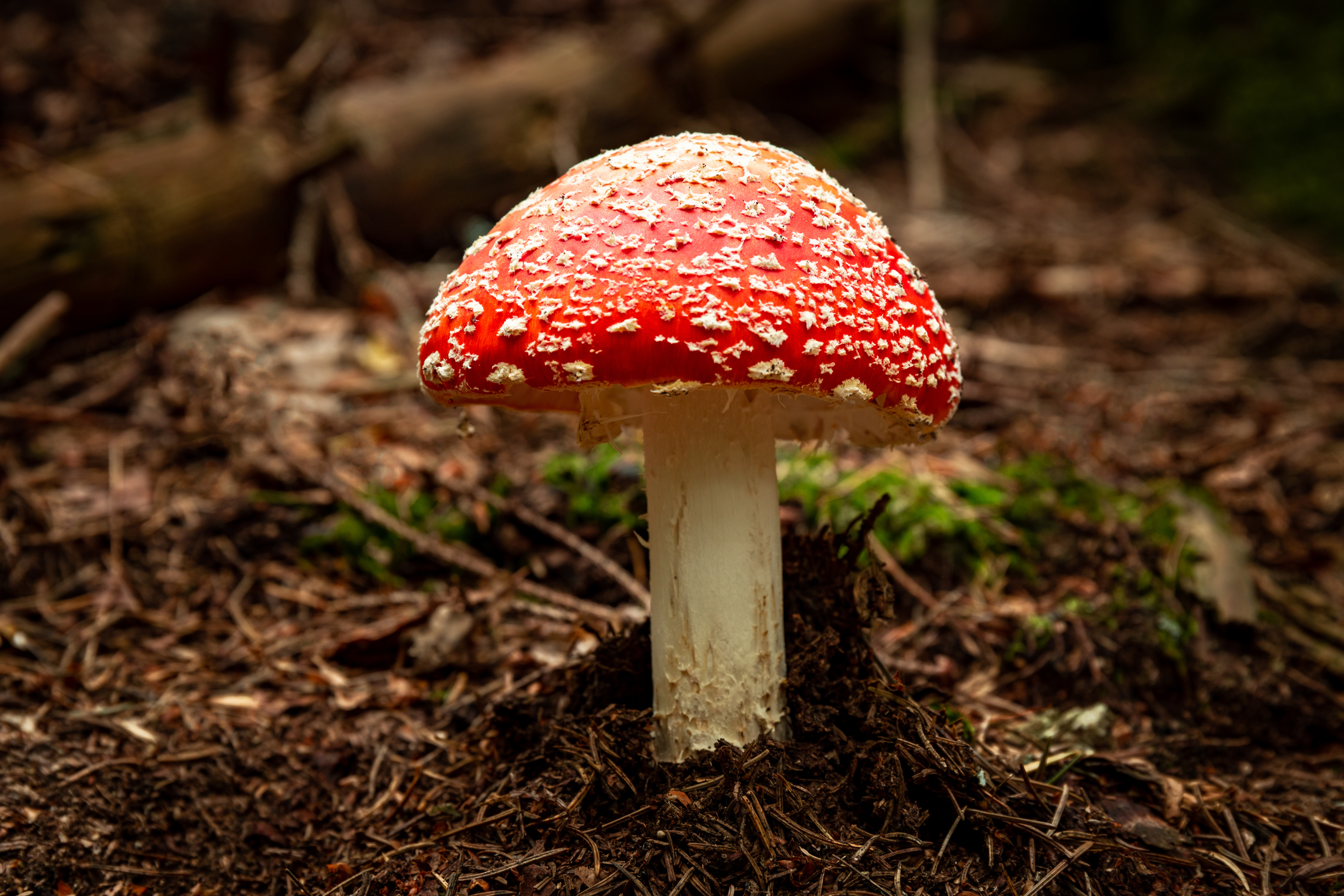
Amanita muscaria is a psychoactive mushroom with a bright red cap covered in white spots or warts that is native to the temperate and boreal forests of the northern hemisphere. A. muscaria mushrooms are also called “fly agaric” mushrooms due to their traditional use as an insecticide. Though A. muscaria is a psychoactive mushroom, it is not a classic psychedelic like the mushrooms of the Psilocybe genus, which are commonly referred to as “magic mushrooms.” The renewed interest in psilocybin-containing mushrooms in the 21st century due to their potential use in treating various mental and physical health conditions has sparked consumers’ interest in other types of mushrooms, including A. muscaria, that are more legally accessible. As A. muscaria use increases, there have been public health concerns regarding unregulated sales of A. muscaria products and the lack of consumer knowledge about how A. muscaria differs from psilocybin containing mushrooms. This fact sheet addresses those issues....