


Inhalants: Summary of State Laws
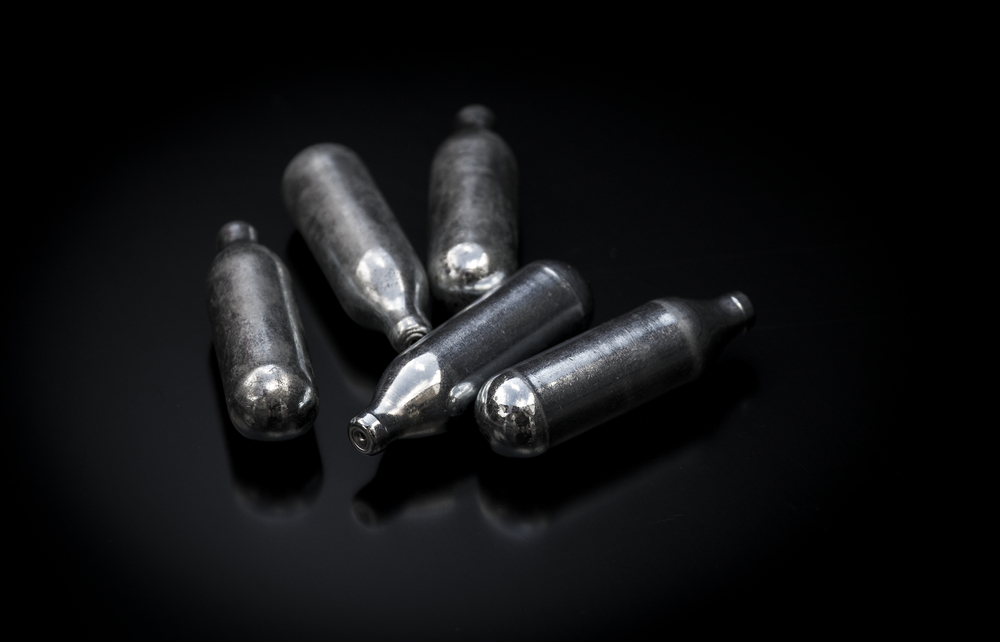
Inhalants are substances that produce intoxicating chemical vapors that people inhale. These substances are often found in products that are legal to purchase and use and include common household items like glue, cleaning fluid, spray paint, magic markers, and cooking spray. According to the National Institute on Drug Abuse, there are four categories of inhalants: (1) volatile solvents; (2) aerosols; (3) gases; and (4) nitrites. Inhalants produce vapors that can be inhaled, either directly from open containers or by soaking rags in the substance and then “huffing” the rags. Users can also spray aerosols directly into their noses or mouths or onto pieces of clothing and into a paper or plastic bag, balloons, or other devices known as “snappers” and “poppers” and inhale the fumes. Depending on the substance, inhalants can “produce effects similar to alcohol, sedatives, or the early stages of anesthesia.” Substances can also cause a short feeling of being high or a feeling of light-headedness, distorted vision, or disorganized thinking. As of April 2026, forty-seven states, the District of Columbia, and Guam criminalize the possession and/or use of inhalants with penalties ranging from low-level misdemeanors to low-level felonies, usually for repeat violations. Click here to read the full Summary.